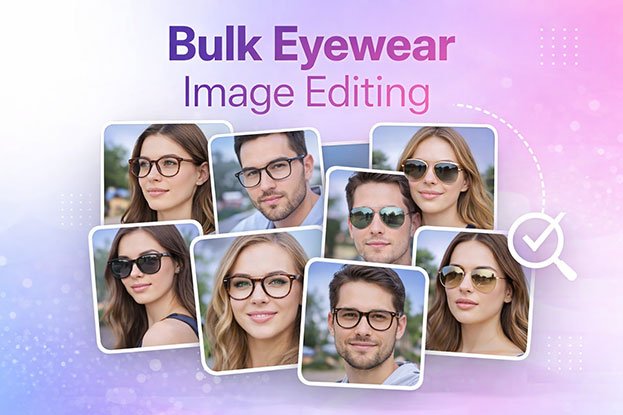
Bulk eyewear image editing becomes mission-critical once an ecommerce brand scales beyond a few hundred SKUs. At small volume, minor inconsistencies may go unnoticed. But once a catalog reaches 1,000+ products, those inconsistencies become visible. At 5,000+ SKUs, they begin to damage brand perception.
Managing glare control, lens color accuracy, background purity, and shadow consistency across thousands of product images requires a structured system — not random retouching. Without standardized editing guidelines, visual drift multiplies over time and weakens customer trust.

For ecommerce eyewear brands, catalog consistency directly influences:
Conversion rate
Return rate
Marketplace compliance
Brand authority
Customer confidence
Scaling product photography without a defined workflow leads to visual chaos.
Let’s examine why eyewear is uniquely complex — and how professional bulk eyewear image editing solves these challenges at scale.
Why Scaling Eyewear Images Is More Complex Than Other Products
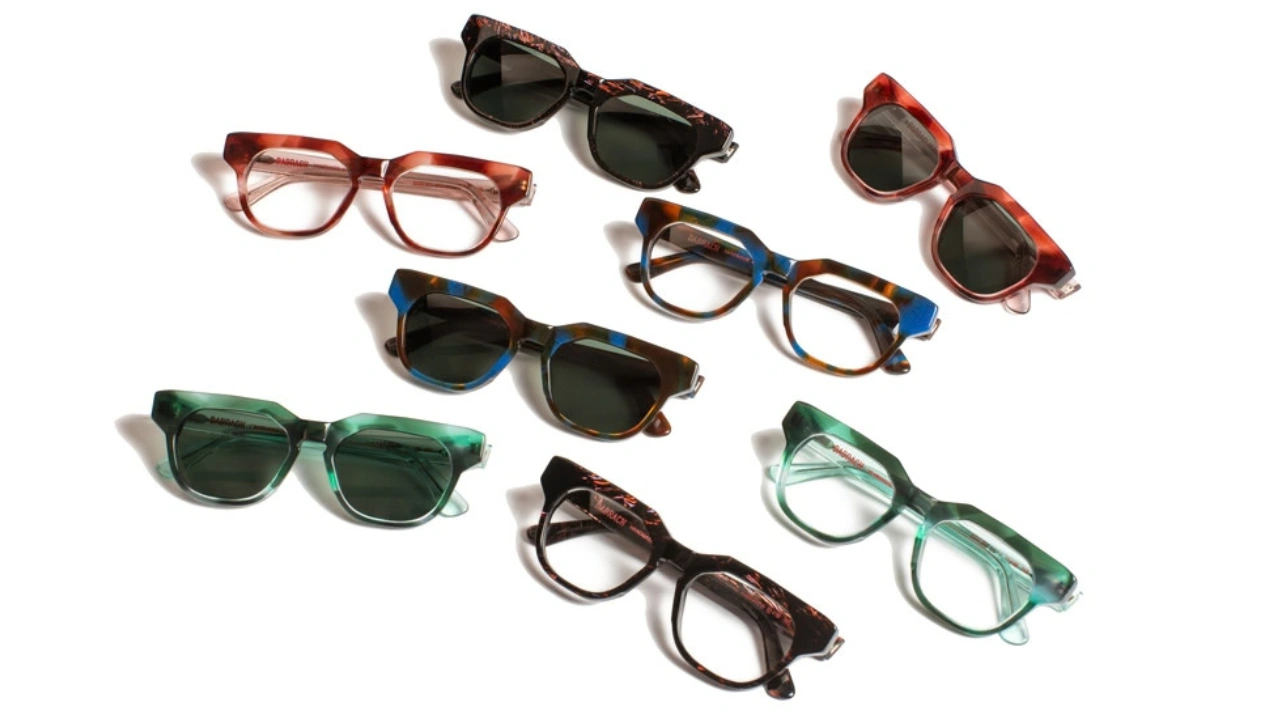
Eyewear is technically demanding. Each product combines:
Reflective curved lenses
Gradient tint variations
Thin metal or rimless edges
Transparent materials
Strict symmetry requirements
In bulk production, small inconsistencies compound quickly.
Common large-catalog issues include:
Lens brightness variations between SKUs
Inconsistent shadow direction
Slight color shifts across variants
Uneven white backgrounds
Different reflection intensity between collections
Individually, these differences may seem minor.
Across thousands of products, they become visually disruptive.
Consistency at scale is not optional in eyewear ecommerce.
It is operational infrastructure.
The Real Risk of Inconsistent Catalogs with Details
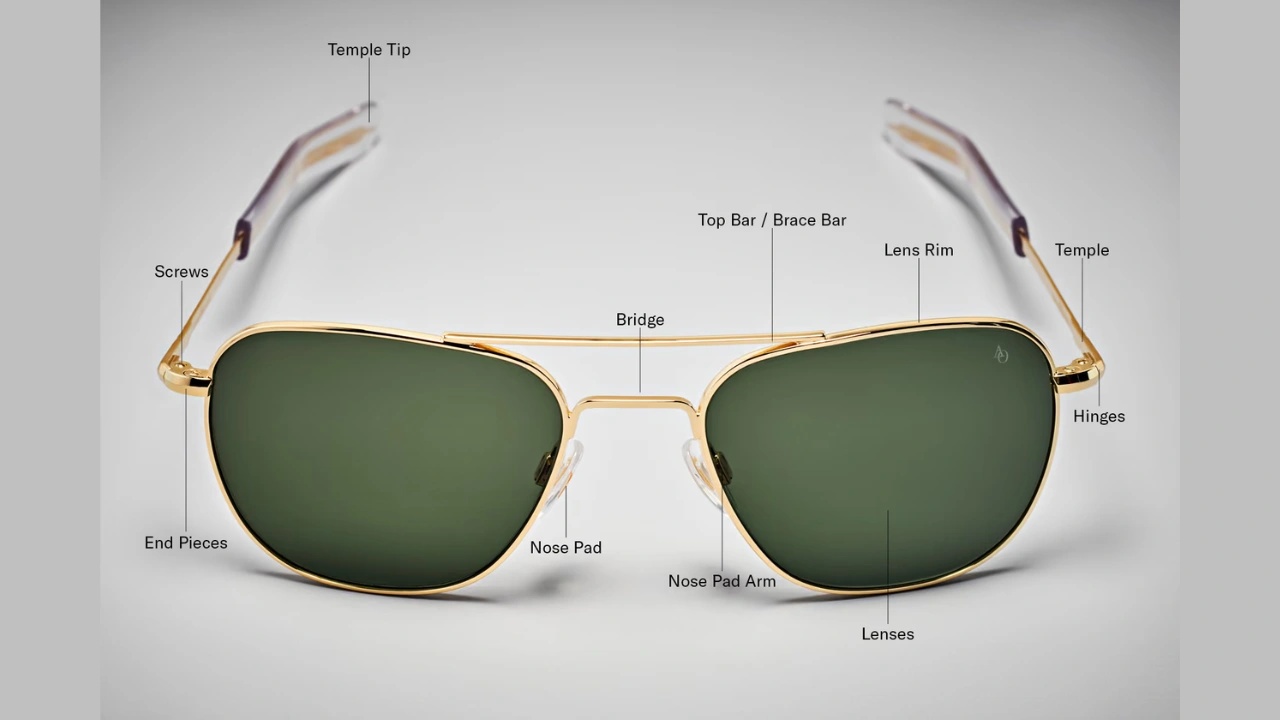
If:
One lens looks darker
Another looks flatter
Shadows change direction
Background brightness shifts
It creates subconscious doubt.
On platforms like Amazon, inconsistent presentation can reduce listing quality perception.
On ecommerce stores built with Shopify, catalog inconsistency weakens brand authority.
Consistency equals professionalism.
How Professional Bulk Eyewear Image Editing Works
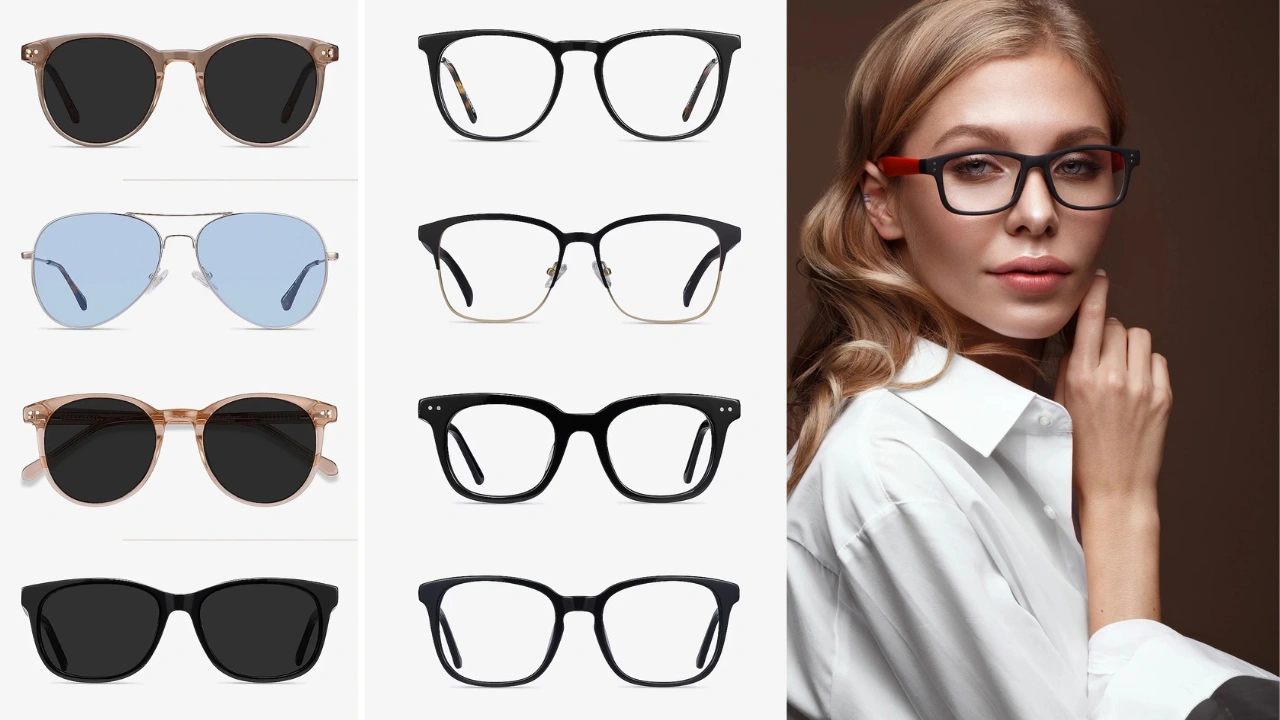
Scaling requires systems.
Not random retouching.
1️⃣ Defined Editing Standards
Before editing begins, professional teams define:
Target lens brightness range
Acceptable reflection intensity
Shadow softness level
Background RGB standard
Export resolution
Without written standards, results drift over time.
2️⃣ Batch Color Calibration with Bulk Editing
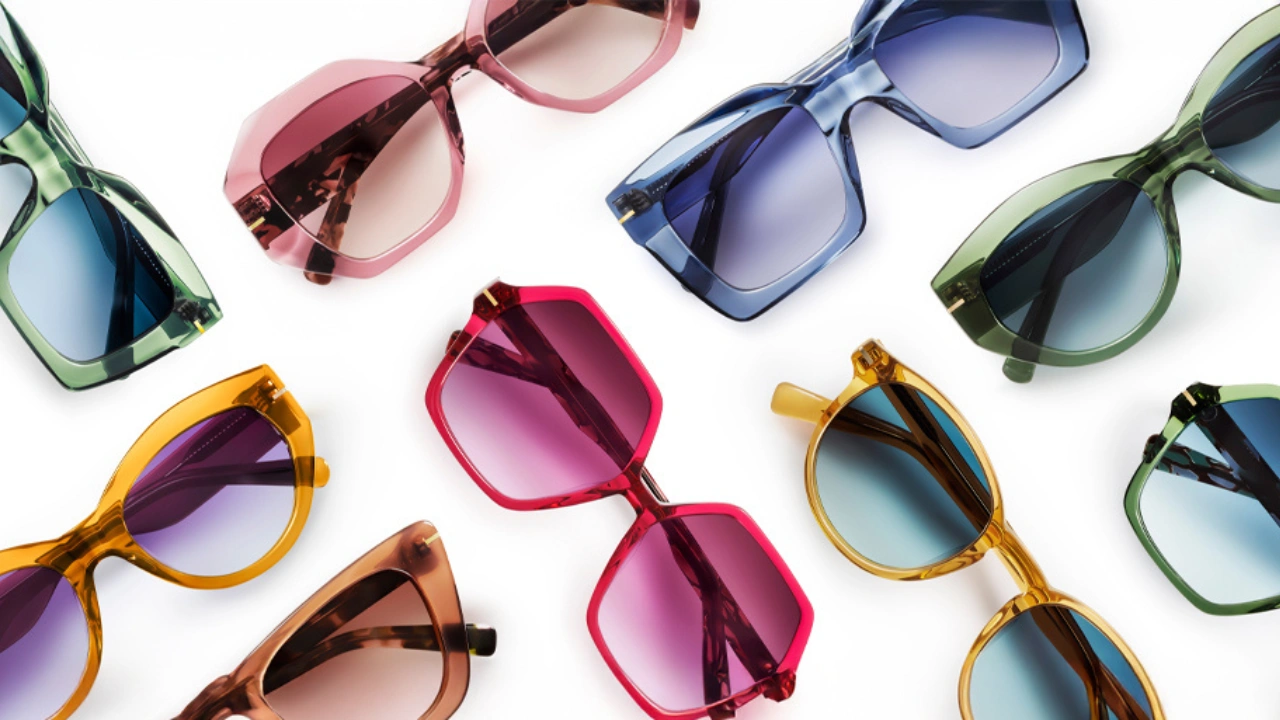
When working with:
Multiple frame colors
Gradient lens variations
Seasonal collections
Batch calibration ensures:
Consistent tint depth
Uniform frame color accuracy
Balanced contrast across SKUs
Even small tone differences matter at scale.
3️⃣ Dedicated Retouching Teams
High-volume eyewear brands cannot rely on single freelancers.
Structured teams ensure:
Workflow stability
Faster turnaround
Quality control layers
Backup capacity during launches
This prevents delays during new collection releases.
4️⃣ Multi-Level Quality Control with Eyewear Fashion
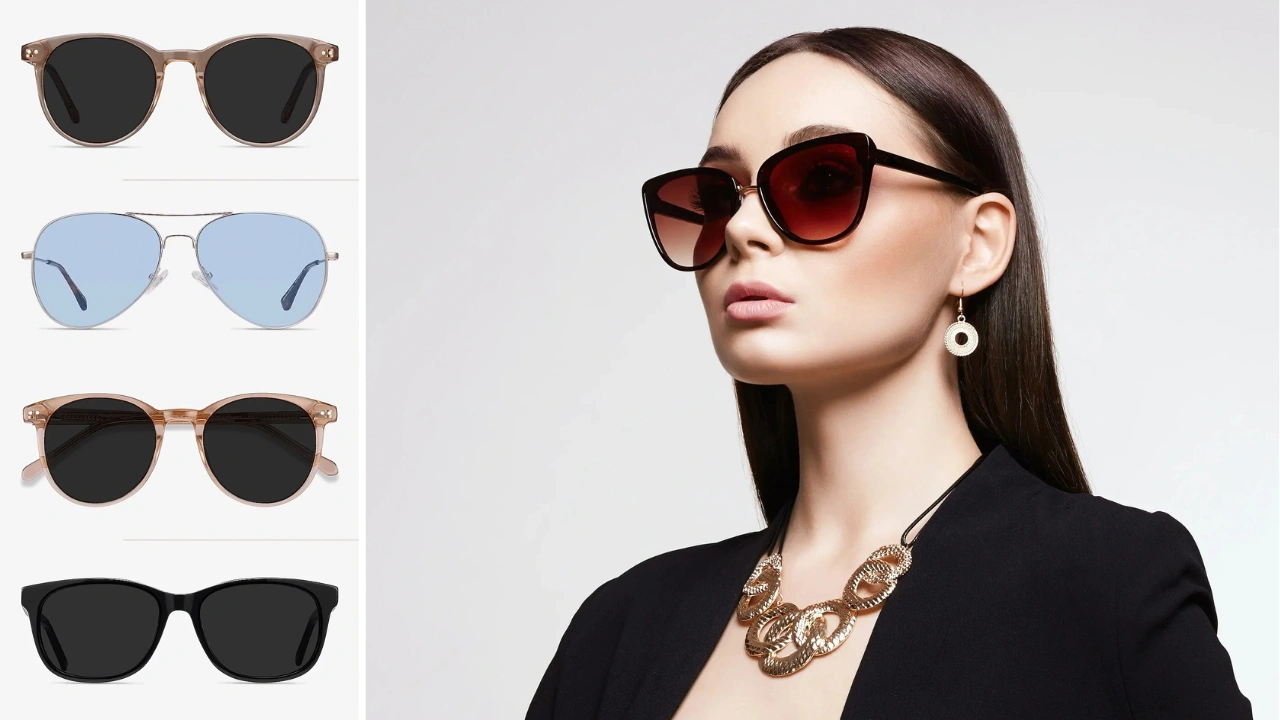
Professional bulk workflows include:
Primary retouch
Secondary review
Symmetry check
Color balance check
Final export verification
Quality control is what separates premium catalogs from average ones.
Bulk Editing vs Automated Tools
Many brands try automation.
Automated background tools fail on:
Rimless frames
Thin temples
Transparent nose pads
Subtle reflections
Automation speeds up basic tasks.
Precision still requires manual expertise.
👉 Learn more: Why Sunglasses Product Photos Have Glare (And How to Fix It Professionally)
The Financial Impact of Structured Bulk Editing
When bulk eyewear image editing is structured:
Launch cycles become faster
Visual identity becomes consistent
Conversion improves across the catalog
Return rates decrease
Brand perception strengthens
Operational efficiency supports revenue growth.
Cost Comparison: In-House vs Outsourced Bulk Eyewear Image Editing
Scaling to 1,000+ SKUs changes everything.
At this level, image editing is no longer a creative task.
It becomes an operational expense.
Let’s compare realistically.
Option 1: In-House Bulk Editing Team
Typical Costs Include:
Full-time retoucher salary
Senior editor or supervisor salary
Photoshop / software subscriptions
High-performance hardware
Training for reflection control & lens calibration
Paid leave, HR overhead, benefits
Workflow management time
Example Annual Cost (Approximate Structure)
2 Retouchers
1 Quality Control Supervisor
Even in cost-effective regions, the annual overhead can be significant when you factor in equipment, management, and idle capacity during low seasons.
Hidden Risks:
Skill limitation in advanced glare removal
Staff turnover
Inconsistent results between editors
Slow scaling during product launches
In-house teams work best for extremely large, stable-volume brands.
Option 2: Outsourced Bulk Eyewear Image Editing
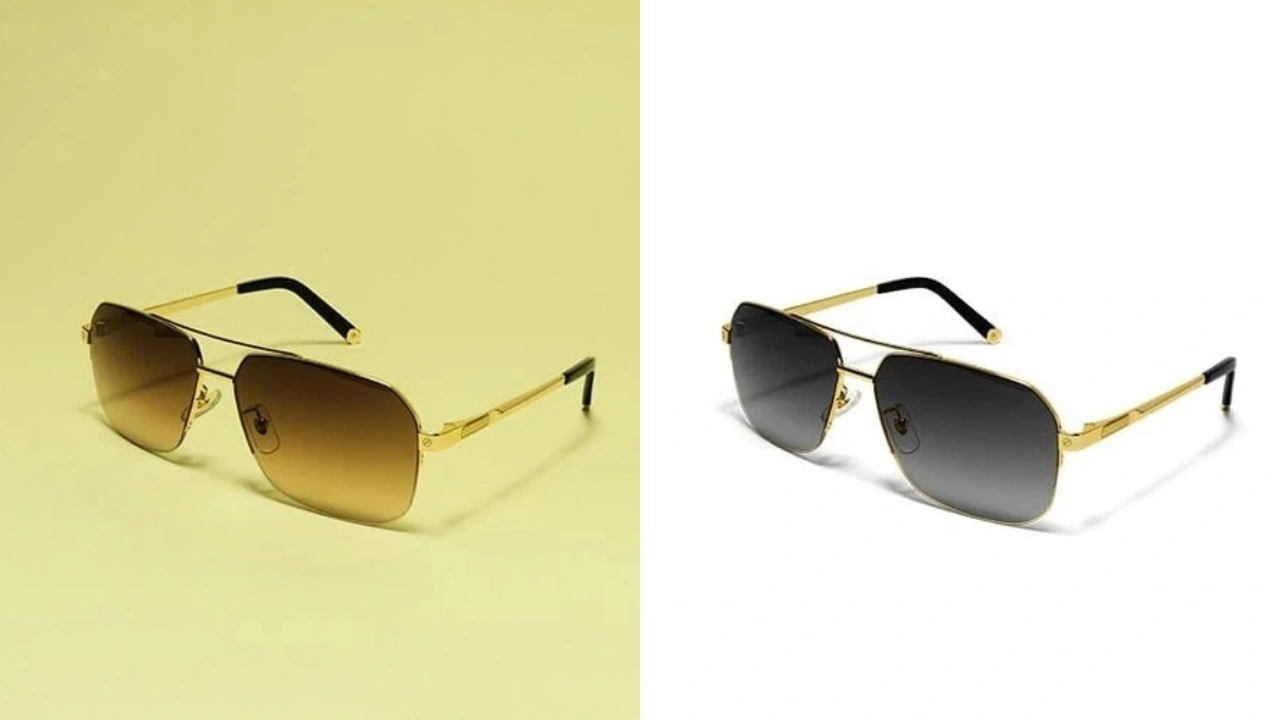
Professional outsourced teams offer:
Per-image pricing
Flexible monthly volume
Dedicated optical retouching workflow
Multi-layer quality control
Faster launch turnaround
No HR overhead.
No equipment investment.
No downtime costs.
Cost Efficiency Comparison
| Factor | In-House Team | Outsourced Team |
|---|---|---|
| Fixed Overhead | High | None |
| Scalability | Limited | High |
| Skill Specialization | Depends on staff | Dedicated eyewear workflow |
| Launch Flexibility | Slower | Faster |
| Quality Control Layers | Limited | Structured |
For brands selling on platforms like Amazon or operating large stores on Shopify, scalability and consistency are more important than internal control.
Outsourcing often reduces cost per image while increasing consistency.
👉 Learn more: Complete Guide to Eyewear Photo Editing Service for Ecommerce Brands (2026)
Case Study: Large DTC Eyewear Brand Scaling to 2,400 SKUs
Brand Profile
Direct-to-consumer sunglasses brand
Selling through Shopify + marketplace channels
2,400 active SKUs
6 angles per product
3–5 lens color variants per frame
Total image volume: Over 12,000 images per launch cycle.
The Problem
Before restructuring their workflow, they experienced:
Inconsistent lens tint between collections
Uneven glare intensity across SKUs
Mismatched shadow direction
Background white inconsistency
Delays during new product launches
Their in-house team struggled to keep up with seasonal launches.
Conversion was unstable across categories.
The Solution
A structured outsourced bulk eyewear editing workflow was implemented:
Defined glare intensity standards
Lens gradient calibration templates
Batch color correction presets
Multi-stage quality control
48-hour turnaround per batch
Dedicated optical retouchers handled all editing to ensure consistency.
Results After 90 Days
22% faster product launch cycle
19% improvement in conversion consistency across SKUs
14% reduction in return rate for tinted lens models
Standardized visual identity across 2,400 SKUs
Reduced operational editing overhead
Most importantly:
The catalog looked unified.
When customers browsed multiple variants, visual confidence increased.
Strategic Takeaway
For small brands under 200 SKUs, in-house editing may work.
For brands scaling beyond 1,000 SKUs, structured outsourced bulk eyewear image editing provides:
Cost efficiency
Scalability
Specialized skill
Consistency at volume
Faster launches
In eyewear ecommerce, visual precision is not optional at scale.
It is operational infrastructure.
❓FAQ: Bulk Eyewear Image Editing
1. What is bulk eyewear image editing?
Bulk eyewear image editing is the structured retouching of large volumes of glasses or sunglasses product images while maintaining consistent color, reflection intensity, shadow direction, and background standards across an entire catalog.
It is designed for ecommerce brands managing hundreds or thousands of SKUs.
2. How do you maintain consistency across 1,000+ eyewear SKUs?
Consistency is maintained through:
Defined lens brightness standards
Controlled glare intensity benchmarks
Batch color calibration presets
Multi-stage quality control review
Fixed shadow direction guidelines
Without documented editing standards, visual drift occurs over time.
3. How long does bulk sunglasses image editing take?
Turnaround depends on volume. For large batches:
500 images: 2–4 days
1,000+ images: structured timeline with dedicated team
Ongoing catalogs: rolling weekly delivery
Professional teams scale capacity during product launches to avoid delays.
4. Is outsourcing bulk eyewear editing cheaper than in-house teams?
In most cases, yes.
Outsourcing eliminates:
Full-time salary overhead
Software licensing costs
Hardware investment
HR management
Downtime expenses
Brands selling on platforms like Amazon and running stores on Shopify often choose outsourcing for scalability and cost efficiency.
5. Can bulk editing handle rimless and transparent frames?
Yes.
Professional bulk workflows include precision clipping path techniques for:
Rimless glasses
Thin metal temples
Transparent acetate frames
Nose pad detailing
Automation tools alone cannot maintain precision at scale.
6. How do you ensure color accuracy across different lens variants?
Color calibration is performed using:
Reference exposure standards
Gradient reconstruction controls
Cross-variant comparison checks
Final symmetry review
Each SKU is balanced against a master editing guideline to prevent color inconsistency.
7. Does bulk eyewear image editing improve conversion rates?
Yes.
Catalog consistency improves:
Customer trust
Variant comparison clarity
Marketplace click-through rate
Brand perception
When customers browse multiple SKUs side by side, visual consistency increases purchasing confidence.
8. What file formats do you deliver for large ecommerce eyewear catalogs?
Standard export options include:
High-resolution JPG for ecommerce
Transparent PNG for marketplaces
Optimized web files for fast loading
Zoom-compatible high-detail versions
All files are delivered structured and labeled for easy upload.
Scale Your Eyewear Catalog Without Losing Visual Consistency
If you’re managing:
500+ SKUs
Multiple lens variants
Seasonal product launches
Marketplace + DTC listings
High-volume image batches
You need more than editing.
You need a structured bulk eyewear image workflow.
We help eyewear brands:
Standardize lens brightness and reflection intensity
Maintain consistent background and shadow direction
Handle 1,000–10,000+ images per launch cycle
Deliver marketplace-ready exports
Meet tight launch deadlines
📩 Request a Bulk Editing Test Batch
Send 20–30 images from your current catalog.
We will:
Apply standardized glare control
Balance lens gradients
Ensure cross-SKU color consistency
Deliver optimized export files
Delivered within 48 hours.
No long-term commitment.
Just measurable proof of consistency.
Bulk precision builds brand authority.
Authority builds scalable revenue.