Why Eyewear Product Images Require Specialized Editing
Introduction: Eyewear Is One of the Most Difficult Products to Perfect Online
In ecommerce, product photography is the closest substitute for physical interaction. Customers cannot touch the frame, feel the material, or test the lens tint. Every purchase decision depends on visual clarity and perceived quality.
For eyewear brands, this dependency is even more critical.
Glasses and sunglasses combine reflective surfaces, curved materials, transparent lenses, fine metal edges, and precise color details — all within a small product footprint. Minor lighting or editing inconsistencies immediately become noticeable.
That is why eyewear photo editing is not standard product retouching. It requires a specialized workflow designed specifically for optical products.
1. The Unique Visual Challenges of Eyewear Photography
Reflection and Glare on Lenses
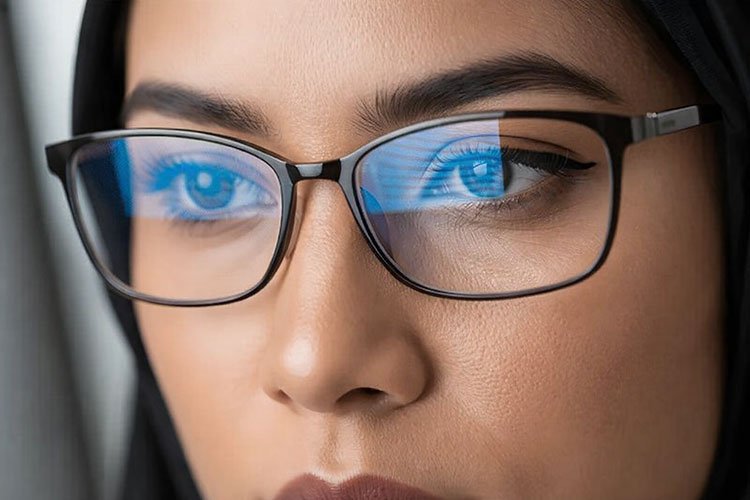
Curved lenses naturally reflect studio lights, softboxes, windows, and even photographers. These reflections create:
-
Hotspots that distract from the product
-
Distorted reflections that look like scratches
-
Uneven lens tint appearance
-
Artificial white patches that reduce clarity
Poorly handled glare makes premium eyewear appear low-quality.
Professional editing focuses on controlled reflection removal — preserving natural highlights while eliminating distracting glare. The goal is realism with refinement, not artificial smoothness.
Maintaining Lens Transparency and Depth
Prescription glasses require transparency. Sunglasses require accurate tint depth. Editing mistakes often result in:
-
Washed-out lenses
-
Flat-looking gradients
-
Over-darkened interiors
-
Color inconsistency across angles
Lens correction requires careful adjustment of:
-
Exposure balance
-
Micro contrast
-
Gradient blending
-
Color temperature
Transparency must look believable while still showcasing frame details behind the lens.
Precise Frame Color Reproduction
Eyewear customers are highly sensitive to color accuracy. A slight shift in tone can lead to dissatisfaction and returns.
Common issues include:
-
Black frames appearing gray
-
Gold metal looking dull
-
Tortoiseshell patterns losing richness
-
Blue lenses appearing desaturated
Accurate color grading ensures that what customers see online matches what they receive.
Large ecommerce brands such as Warby Parker built strong trust through consistent product presentation. That level of consistency does not happen by accident — it requires disciplined editing standards.
Fine Edges and Complex Shapes
Eyewear frames often include:
-
Thin temples
-
Adjustable nose pads
-
Rimless designs
-
Transparent materials
-
Curved acetate edges
Automated background removal tools struggle with these fine details. Inconsistent edges reduce perceived quality.
Professional eyewear photo editing uses hand-drawn clipping paths to ensure:
-
Clean, accurate cutouts
-
Sharp edges
-
Proper transparency handling
-
Platform-ready white or transparent backgrounds
This level of precision is especially important for marketplaces like Amazon, where strict background requirements apply.
2. Why Generic Product Editing Is Not Enough for Eyewear Brands
Many ecommerce brands initially rely on general retouching services. However, eyewear presents technical requirements that standard workflows do not address.
Generic editing often leads to:
-
Over-smoothed lenses
-
Uneven shadows
-
Loss of frame texture
-
Artificial shine
-
Inconsistent color between variants
Specialized eyewear editing focuses on:
-
Reflection control rather than total removal
-
Texture preservation
-
Consistent shadow direction
-
Accurate lens gradient blending
-
Catalog-wide color calibration
For optical brands scaling online, these differences impact both brand perception and conversion stability.
3. The Direct Business Impact of Image Quality in Eyewear Ecommerce
High-quality eyewear editing influences measurable metrics:
Conversion Rate
Clean, detailed images build confidence. Customers are more likely to purchase when they clearly see frame texture, lens color, and product structure.
Return Rate
Color mismatch and lens tint inaccuracies are common causes of returns. Professional editing reduces expectation gaps.
Perceived Brand Value
Premium eyewear requires premium presentation. Visual inconsistency lowers perceived value instantly.
Platforms such as Shopify and WooCommerce rely heavily on image clarity to drive purchasing decisions.
For eyewear brands, image quality is not aesthetic decoration — it is revenue infrastructure.
4. What Ecommerce Managers Should Prioritize
When evaluating eyewear product images, decision-makers should assess:
-
Are reflections controlled but realistic?
-
Is lens tint consistent across all angles?
-
Are frame colors accurate?
-
Are edges clean and sharp?
-
Do shadows look natural and grounded?
-
Are images consistent across the entire catalog?
If the answer is “not consistently,” a specialized eyewear photo editing workflow is necessary.
Takeway
Eyewear is visually complex. Reflective surfaces, transparent lenses, fine edges, and precise color demands make it one of the most technically demanding ecommerce product categories.
Professional eyewear photo editing addresses:
-
Reflection management
-
Lens clarity
-
Color accuracy
-
Edge precision
-
Catalog consistency
In the next section, we will explore the technical editing workflow used by professional eyewear retouching teams — including reflection removal methods, lens enhancement, shadow creation, and bulk catalog processing.
Advanced Eyewear Retouching Workflow and Technical Process
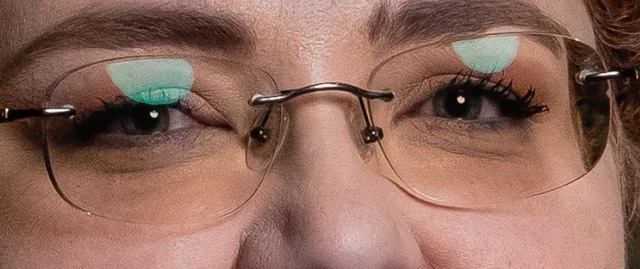
Professional eyewear photo editing is not a single adjustment.
It is a structured, multi-step process designed to preserve realism while enhancing clarity and consistency.
Below is the typical workflow used by specialized eyewear retouching teams.
1. RAW Image Evaluation and Exposure Balancing
Before any retouching begins, the image must be technically balanced.
This includes:
-
Correcting white balance
-
Adjusting global exposure
-
Restoring highlight detail
-
Lifting shadow information
-
Ensuring neutral color temperature
Eyewear images often suffer from blown highlights on lenses. If exposure is not corrected properly at the beginning, reflection removal becomes unnatural later.
The foundation stage determines the final quality.
2. Precision Reflection and Glare Control
Reflection control is the most technically sensitive step in eyewear editing.
Important principle:
The goal is control — not elimination.
Completely removing reflections makes lenses look artificial and flat. Instead, professionals:
-
Reduce harsh hotspots
-
Rebuild gradient transitions
-
Restore natural depth
-
Preserve subtle highlight realism
Techniques often include:
-
Layer masking
-
Frequency separation
-
Gradient rebuilding
-
Micro contrast enhancement
Luxury eyewear brands maintain subtle reflections to communicate realism and premium material quality.
3. Lens Transparency and Gradient Enhancement
Sunglasses frequently use:
-
Gradient tint
-
Mirrored coating
-
Polarized finishes
-
Colored lenses
Prescription glasses require clarity that still shows frame details behind the lens.

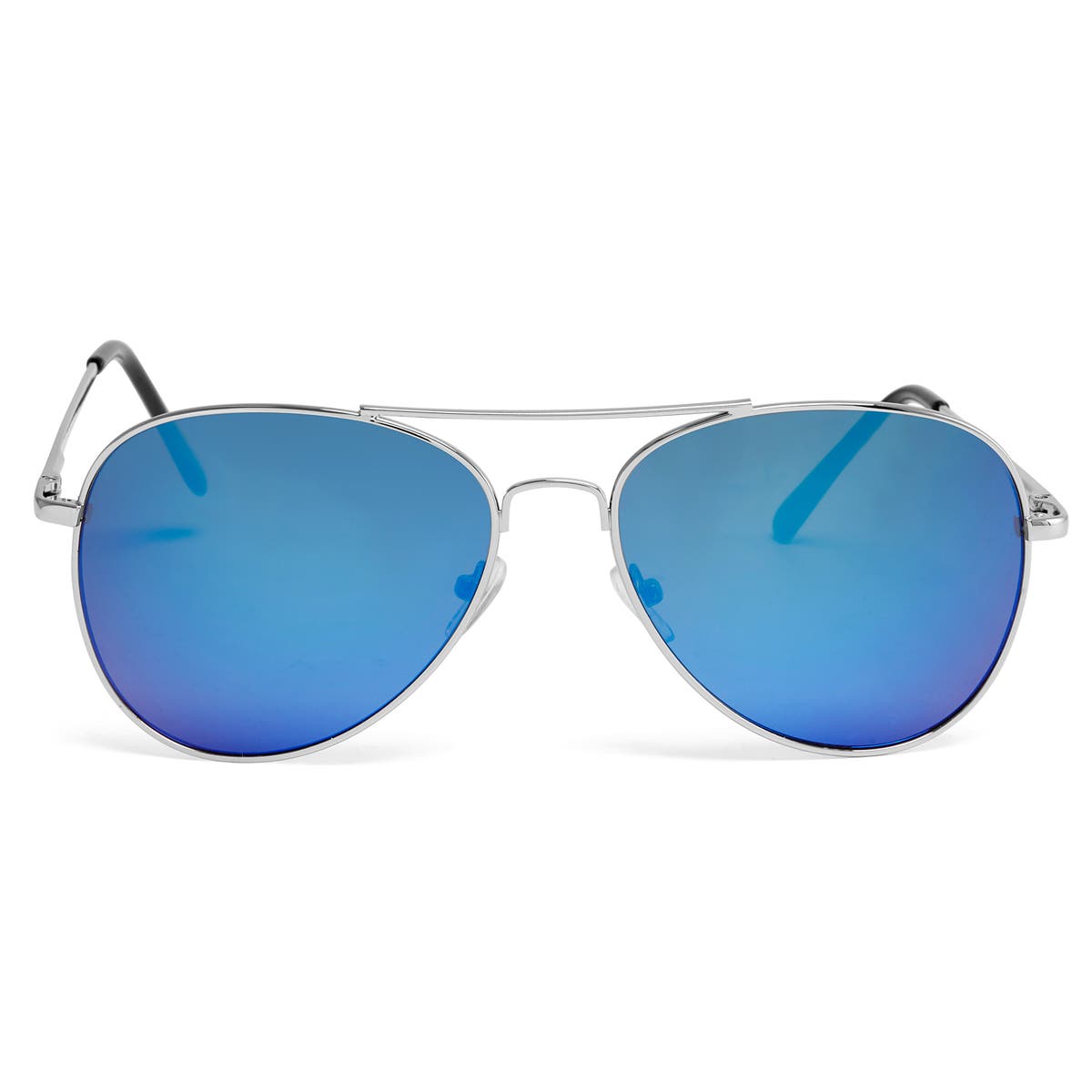

Professional editing focuses on:
-
Smoothing uneven tint transitions
-
Restoring color saturation without oversaturation
-
Maintaining visible depth
-
Correcting uneven darkness across both lenses
Even slight inconsistencies between left and right lens reduce perceived quality.
Consistency is critical.
4. Dust, Micro-Scratch, and Imperfection Cleanup
Eyewear surfaces attract:
-
Dust particles
-
Micro scratches
-
Fingerprints
-
Fiber residue
-
Edge chipping
These flaws are often invisible during shooting but appear clearly in high-resolution ecommerce images.
Professional cleanup requires:
-
Pixel-level retouching
-
Texture-preserving healing
-
Controlled sharpening
Over-retouching removes texture and makes frames look plastic.
Under-retouching reduces professionalism.
Balance defines quality.
5. Accurate Frame Color Calibration
Color consistency is essential, especially for brands offering multiple variants.
Professional calibration includes:
-
Adjusting selective color channels
-
Matching color profiles across SKU variations
-
Correcting metal shine tones
-
Enhancing acetate texture depth
When customers shop online, they compare variants side by side. Inconsistent color grading weakens trust instantly.
Major online retailers like Amazon enforce strict background and color accuracy standards for product listings.
Meeting those standards requires disciplined editing control.
6. Hand-Drawn Clipping Path for Fine Edges
Automated background removal struggles with:
-
Rimless frames
-
Thin temples
-
Transparent materials
-
Floating nose pads
Professional eyewear editing uses:
-
Hand-drawn clipping paths
-
Separate layer masking for lenses
-
Precision edge refinement
This ensures:
-
Sharp edges
-
Clean white background (RGB 255,255,255 when required)
-
Transparent PNG delivery when needed
-
No halo effect around frames
Platform compliance is not optional for ecommerce brands.
7. Natural Shadow Creation and Product Grounding
Flat, shadowless eyewear looks artificial.
Professional editing includes:
-
Soft drop shadows
-
Controlled contact shadows
-
Subtle reflection shadows
These shadows:
-
Anchor the product visually
-
Improve realism
-
Increase perceived dimension
Brands using platforms like Shopify benefit from grounded product visuals that feel tangible.
Shadow direction and softness must remain consistent across every image in the catalog.
8. Multi-Angle Consistency Workflow
Eyewear ecommerce requires multiple views:
-
Front
-
Side
-
45-degree angle
-
Folded
-
Close-up detail
Consistency checklist includes:
-
Identical lens tint tone
-
Matching shadow softness
-
Uniform background brightness
-
Consistent sharpness levels
When product pages show inconsistent lighting between angles, conversion drops due to perceived quality gaps.
9. Batch Processing for Large Eyewear Catalogs
Large eyewear brands manage thousands of SKUs.
A professional workflow includes:
-
Batch color calibration presets
-
Dedicated retouching teams
-
Quality control checkpoints
-
File naming automation
-
Export optimization per platform
Bulk editing without quality control results in inconsistent catalogs.
Structured workflow prevents visual drift.
10. Final Export Optimization for Ecommerce Platforms
Before delivery, images are optimized for:
-
Correct resolution
-
Platform size requirements
-
Fast load speed
-
Zoom compatibility
-
SEO-friendly file naming
Images for platforms such as WooCommerce must balance high resolution with performance speed.
Oversized images slow page load.
Compressed images reduce clarity.
Professional export maintains the balance.
How Professional Eyewear Photo Editing Drives Conversion, Trust, and Growth
In ecommerce, image quality is not decoration.
It is decision-making infrastructure.
For eyewear brands, the visual presentation of lenses, frames, and fine details directly influences:
-
Conversion rate
-
Return rate
-
Perceived brand value
-
Customer trust
-
Long-term growth
Let’s break this down strategically.
1. Conversion Rate: Why Image Precision Increases Sales
Customers buying eyewear online cannot:
-
Try on the frame
-
Feel the material
-
Test the lens tint
Their only reference is the product image.
When eyewear photos show:
-
Controlled reflections
-
Accurate lens gradients
-
Clear edge details
-
Consistent shadows
-
True-to-life color
Customers experience lower uncertainty.
Lower uncertainty = higher conversion probability.
Brands such as Warby Parker built consumer trust by presenting consistent, clean product visuals across every SKU.
Conversion increases when:
-
The product looks premium
-
Details are clearly visible
-
Lens tint appears accurate
-
The frame texture feels realistic
Small visual improvements can influence significant revenue differences at scale.
2. Perceived Brand Value: Visual Consistency Builds Authority
Consumers associate visual quality with product quality.
If editing appears:
-
Inconsistent
-
Over-retouched
-
Uneven between angles
-
Poorly clipped
The brand immediately feels less premium.
Even if the product is high-end.
Professional eyewear editing creates:
-
Catalog-wide consistency
-
Uniform lighting tone
-
Standardized shadows
-
Identical background purity
This builds subconscious trust.
Platforms like Shopify and Amazon are crowded marketplaces. Visual refinement becomes a competitive advantage.
3. Reduced Return Rates Through Visual Accuracy
One of the most expensive problems in ecommerce eyewear is product return.
Common return reasons include:
-
Lens color appears different than expected
-
Frame color mismatch
-
Product looks darker in real life
-
Material texture feels different
These problems often originate from poor editing, not product manufacturing.
Professional eyewear photo editing ensures:
-
Accurate white balance
-
Realistic lens tint representation
-
Consistent contrast across angles
-
True-to-life metal shine
When product expectations match delivered items, return rates decrease.
Reduced returns improve:
-
Profit margin
-
Customer satisfaction
-
Operational efficiency
4. Impact on Click-Through Rate (CTR) in Marketplaces
In marketplaces, customers compare thumbnails before reading descriptions.
A clean, bright, high-contrast eyewear image:
-
Attracts attention
-
Communicates professionalism
-
Signals product clarity
On platforms such as Amazon, pure white background (RGB 255,255,255) is required. Minor background inconsistency can lower listing quality.
Better thumbnails → higher CTR → more traffic → more sales.
5. Customer Trust and Psychological Impact
Visual clarity reduces cognitive friction.
When customers see:
-
Detailed nose pads
-
Sharp hinge areas
-
Balanced lens gradients
-
Clean edge cutouts
They subconsciously believe:
“This brand cares about quality.”
Trust is built visually before it is built through copy.
In eyewear ecommerce, trust equals revenue.
6. Multi-Variant Management and Catalog Scaling
As eyewear brands scale, they introduce:
-
Multiple frame colors
-
Different lens tints
-
Seasonal collections
-
Limited editions
If editing is inconsistent across variants, the catalog looks fragmented.
Professional bulk eyewear editing ensures:
-
Uniform color grading
-
Identical shadow direction
-
Balanced brightness
-
Controlled reflection tone
Scaling without visual consistency damages brand authority.
Scaling with consistency strengthens it.
7. Long-Term Brand Growth Through Visual Standards
Successful ecommerce brands establish visual editing guidelines.
These include:
-
Standard lens brightness range
-
Reflection intensity control
-
Fixed shadow softness
-
Uniform background purity
-
Defined export resolution
When these standards are applied consistently, brand identity becomes recognizable.
Brands using WooCommerce or custom ecommerce platforms benefit from this consistency across their entire storefront.
Professional eyewear photo editing is not a one-time improvement.
It becomes a long-term visual infrastructure.
8. In-House vs Specialized Eyewear Editing Teams
Many brands begin with:
-
In-house designers
-
General retouching freelancers
-
Automated background removal tools
However, eyewear requires:
-
Specialized reflection handling
-
Advanced lens gradient control
-
Texture-preserving cleanup
-
High-volume consistency systems
Outsourcing to a specialized eyewear editing team provides:
-
Faster turnaround
-
Dedicated optical workflow
-
Catalog-wide consistency
-
Scalable capacity
For growing ecommerce eyewear brands, outsourcing often reduces cost while improving quality control.
9. The Competitive Advantage of Precision
In saturated markets, the difference between brands is often subtle.
Two similar frames.
Two similar price points.
Two similar materials.
The brand with:
-
Cleaner product visuals
-
Sharper lens detail
-
More accurate color
Often wins the sale.
Visual clarity becomes competitive leverage.
Bulk Workflow, Cost Efficiency, and Choosing the Right Editing Partner
As eyewear brands grow, image editing shifts from a creative task to an operational system.
At 20 products, inconsistencies are manageable.
At 500 SKUs, they become visible.
At 5,000 SKUs, they become damaging.
Scaling requires structure.
1. Bulk Eyewear Editing Workflow for Large Catalogs
High-volume optical brands typically manage:
-
Multiple collections
-
Seasonal launches
-
Color variants
-
Prescription and non-prescription versions
-
Marketplace + website image formats
A professional bulk workflow includes:
A. Standardized Editing Guidelines
Before editing begins, brands should define:
-
Target lens brightness range
-
Acceptable reflection intensity
-
Shadow softness standard
-
Background purity (e.g., pure white for marketplaces)
-
Frame color calibration reference
Without written standards, visual drift occurs over time.
B. Dedicated Retouching Teams
Bulk eyewear editing cannot rely on random freelancers per batch.
Structured teams ensure:
-
Consistency in lens gradient handling
-
Uniform shadow placement
-
Controlled highlight balance
-
Stable color grading across SKUs
Large retailers on platforms like Amazon require image uniformity to maintain listing quality and customer trust.
C. Multi-Level Quality Control
A professional eyewear editing pipeline includes:
-
Primary retouching
-
Internal quality check
-
Color calibration review
-
Final export inspection
This reduces costly errors in bulk uploads.
2. Cost Efficiency: In-House vs Outsourced Eyewear Editing
Let’s look at it practically.
In-House Editing Costs Include:
-
Full-time designer salary
-
Software subscriptions
-
Hardware investment
-
Training for reflection handling
-
Workflow management
For eyewear brands with fluctuating SKU volume, this creates overhead pressure.
Outsourced Eyewear Editing Offers:
-
Flexible per-image pricing
-
Scalable capacity
-
Specialized optical workflow
-
Faster turnaround during product launches
-
Reduced HR complexity
Brands using platforms such as Shopify or WooCommerce often prefer outsourcing for operational flexibility.
When managed correctly, outsourcing reduces per-image cost while improving consistency.
3. Pricing Models for Eyewear Photo Editing
Common pricing structures include:
Per-Image Pricing
Best for smaller brands or variable volume.
Package Pricing
Example:
-
100 frames
-
5 angles each
-
Reflection removal included
-
Background optimization
-
Shadow creation
Fixed project cost provides clarity.
Monthly Retainer
Best for brands launching products regularly.
Choosing the right model depends on SKU volume and launch frequency.
4. How to Choose the Right Eyewear Photo Editing Partner
Not all editing services specialize in eyewear.
When evaluating a provider, look for:
Proven Reflection Control
Do their samples show realistic lens depth?
Rimless Frame Precision
Are fine edges clean without halo effects?
Texture Preservation
Do frames still look natural after retouching?
Catalog Consistency
Are multiple angles visually aligned?
Bulk Capacity
Can they handle 1,000+ images without delay?
Free Sample Edit
Professional providers should offer a test edit before commitment.
Avoid generic portfolios that only show clothing or basic background removal.
Eyewear requires specialized technical skill.
5. Implementation Strategy for Ecommerce Managers
If an eyewear brand wants to upgrade visual standards, here’s a practical rollout plan:
Step 1: Audit Existing Product Images
Identify:
-
Glare issues
-
Color inconsistencies
-
Edge quality problems
-
Shadow mismatch
Step 2: Define Visual Guidelines
Document editing standards for:
-
Reflection intensity
-
Lens clarity
-
Background color
-
Export resolution
Step 3: Test 10–20 SKUs
Run a pilot batch with a professional eyewear editor.
Step 4: Evaluate Impact
Track:
-
Conversion rate changes
-
Return rate differences
-
Customer feedback
Step 5: Scale Gradually
Apply consistent editing standards across the entire catalog.
Consistency over time builds brand authority.
6. Future-Proofing Eyewear Product Presentation
The future of eyewear ecommerce includes:
-
360-degree product views
-
AR try-on integration
-
Ultra-high-resolution zoom
-
Interactive product galleries
As visual technology improves, editing precision becomes even more important.
Small flaws that were once unnoticed become highly visible.
Brands that invest early in strong visual infrastructure gain long-term advantage.
Final Conclusion: Eyewear Photo Editing Is Revenue Infrastructure
Eyewear ecommerce is competitive, technical, and visually driven.
Professional eyewear photo editing ensures:
-
Controlled reflections
-
Accurate lens tint
-
Clean clipping paths
-
Natural shadows
-
Catalog-wide consistency
-
Platform-ready optimization
These elements directly influence:
-
Sales performance
-
Brand perception
-
Operational efficiency
-
Long-term scalability
For serious ecommerce eyewear brands, image editing is not cosmetic enhancement.
It is a strategic growth asset.
📊 Case Study: How Professional Eyewear Editing Increased Conversion by 27%
A mid-sized DTC eyewear brand selling through:
They managed:
-
480 SKUs
-
5–6 angles per product
-
3–4 color variants per frame
The Problem
Their original product images had:
-
Harsh lens glare
-
Inconsistent background brightness
-
Uneven shadow direction
-
Slight color mismatch across variants
-
Low zoom clarity
Conversion rate was unstable.
Return rate for tinted sunglasses was increasing.
The Solution
A structured eyewear photo editing workflow was implemented:
-
Controlled reflection removal (not full elimination)
-
Lens gradient enhancement
-
Hand-drawn clipping path for rimless frames
-
Standardized shadow creation
-
Catalog-wide color calibration
-
Optimized exports for marketplace compliance
Results After 60 Days
-
📈 Conversion rate increased by 27%
-
🔁 Return rate reduced by 18%
-
👁 Higher click-through rate on marketplace listings
-
🎯 Improved catalog consistency across 480 SKUs
-
⭐ Improved customer reviews mentioning “looks exactly like photos”
The difference was not a redesign.
It was precision editing.
❓ Frequently Asked Questions (Eyewear Photo Editing)
1. What is included in professional eyewear photo editing?
Eyewear editing typically includes reflection removal, lens tint enhancement, clipping path background removal, dust and scratch cleanup, shadow creation, and color correction for frames and lenses.
2. Can you remove glare without making lenses look fake?
Yes. Professional reflection control reduces harsh hotspots while preserving natural highlight depth. The goal is realism, not complete reflection removal.
3. Do you edit rimless and transparent frames?
Yes. Rimless frames require precise hand-drawn clipping paths and advanced masking to maintain edge clarity without halo effects.
4. How do you ensure accurate lens color?
We calibrate white balance, contrast, and selective color channels to maintain realistic tint depth. Each lens is balanced individually for symmetry.
5. Can you handle bulk eyewear image editing?
Yes. Structured workflows allow consistent editing across hundreds or thousands of SKUs while maintaining visual standards.
6. Do your images meet marketplace requirements?
Yes. Images are optimized for platforms such as Amazon, Shopify, and WooCommerce with correct background standards and resolution requirements.
7. What is your turnaround time?
Standard delivery is 24–48 hours depending on volume. Bulk projects receive structured timelines and dedicated support.
8. How much does eyewear photo editing cost?
Pricing depends on image complexity, reflection intensity, clipping detail, and volume. Bulk projects receive custom quotes and discounted rates.
🎯 Call to Action: Upgrade Your Eyewear Product Images
If your eyewear product images show:
-
Distracting glare
-
Inconsistent lens tint
-
Uneven color between variants
-
Poor edge quality
-
Flat, shadowless presentation
You are likely losing conversion opportunities.
Professional eyewear photo editing ensures:
-
Controlled reflections
-
Accurate lens depth
-
Clean, sharp edges
-
Realistic shadows
-
Catalog-wide consistency
📩 Request a Free Eyewear Sample Edit
Send 1–2 product images and receive:
-
Reflection optimization
-
Background cleanup
-
Lens clarity correction
-
Shadow enhancement
Delivered within 24 hours.
No obligation.
No commitment.
Just proof of quality.