Most buyers see a property on a screen first. They scroll past photos before they ever see the front door in person. They stop on some photos. They skip others. That first scroll is where real estate photography does most of its work. It is also where many listings lose buyers before they get a real chance.
This article explains what real estate photography is. It explains why professional photos help homes sell faster. It also covers how editing, including HDR real estate photo editing, turns a good photo shoot into a strong listing gallery. This is not a promise of magic results. It is a simple look at how photography and editing work together to give a property its best shot in a busy market.
What Is Real Estate Photography?
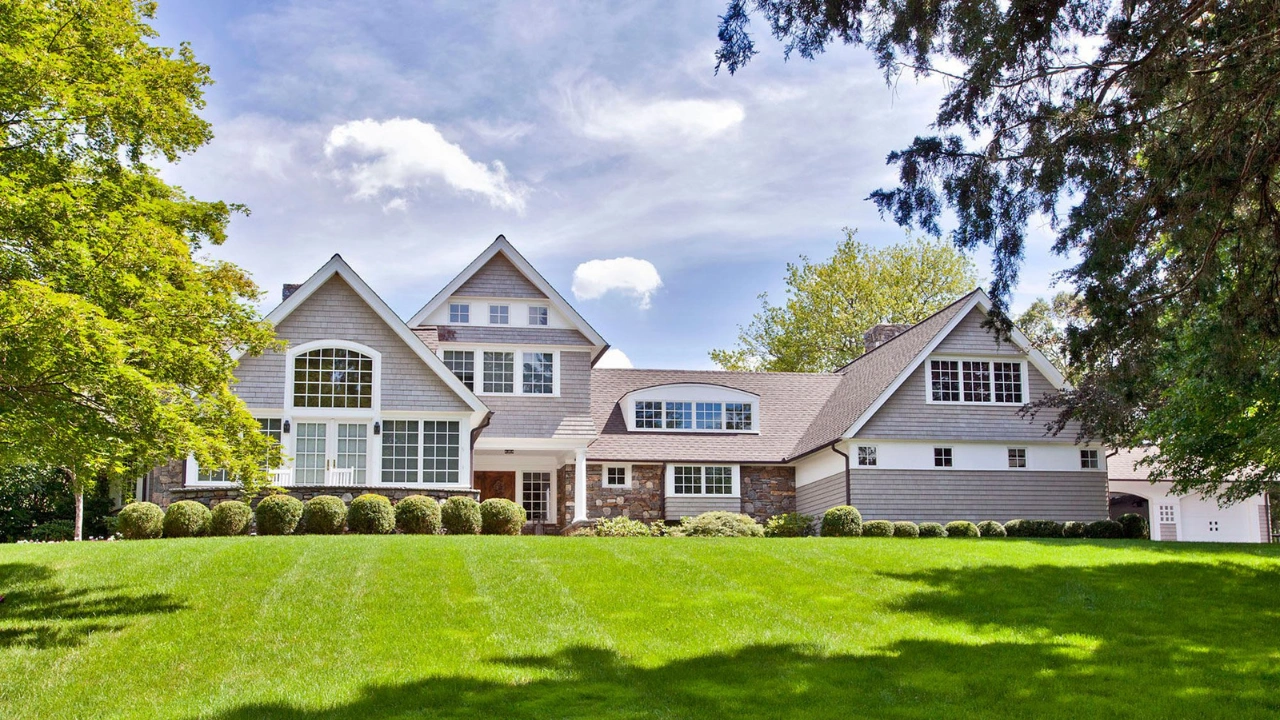
Short Answer: Real estate photography means taking photos of a property’s inside, outside, and surroundings. The goal is to show the property clearly and attractively. These photos are used in online listings, brochures, and ads. Good real estate photography needs technical skill and an understanding of what buyers look for.
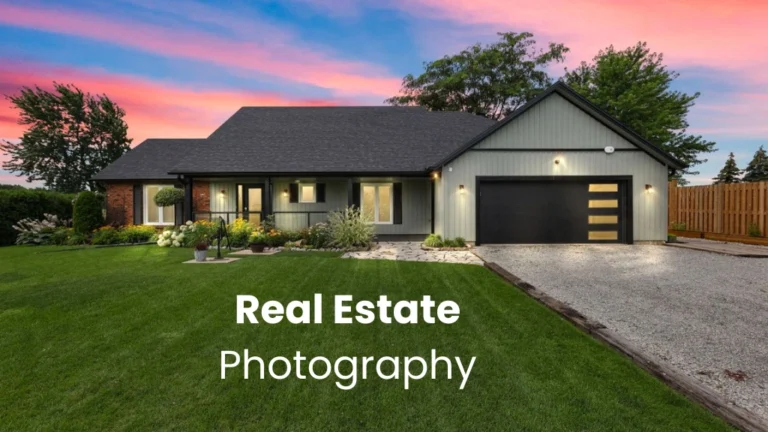
Real estate photography covers a few main areas. Interior photography shows rooms, layout, and flow. Exterior photography shows curb appeal, the front of the home, the yard, and nearby surroundings. Composition means choosing angles and lines that make a room look accurate, not stretched or bent. Lighting choices, whether natural light, flash, or both, control how bright and warm a space feels. Camera height also matters. Most shots are taken at or slightly above eye level, since this helps buyers judge the true size of a room.
All of these choices serve one goal. That goal is property presentation. The photos are not meant to be fine art. They are meant to help a buyer understand a space quickly and clearly, and want to see more of it.
Why Professional Real Estate Photography Matters
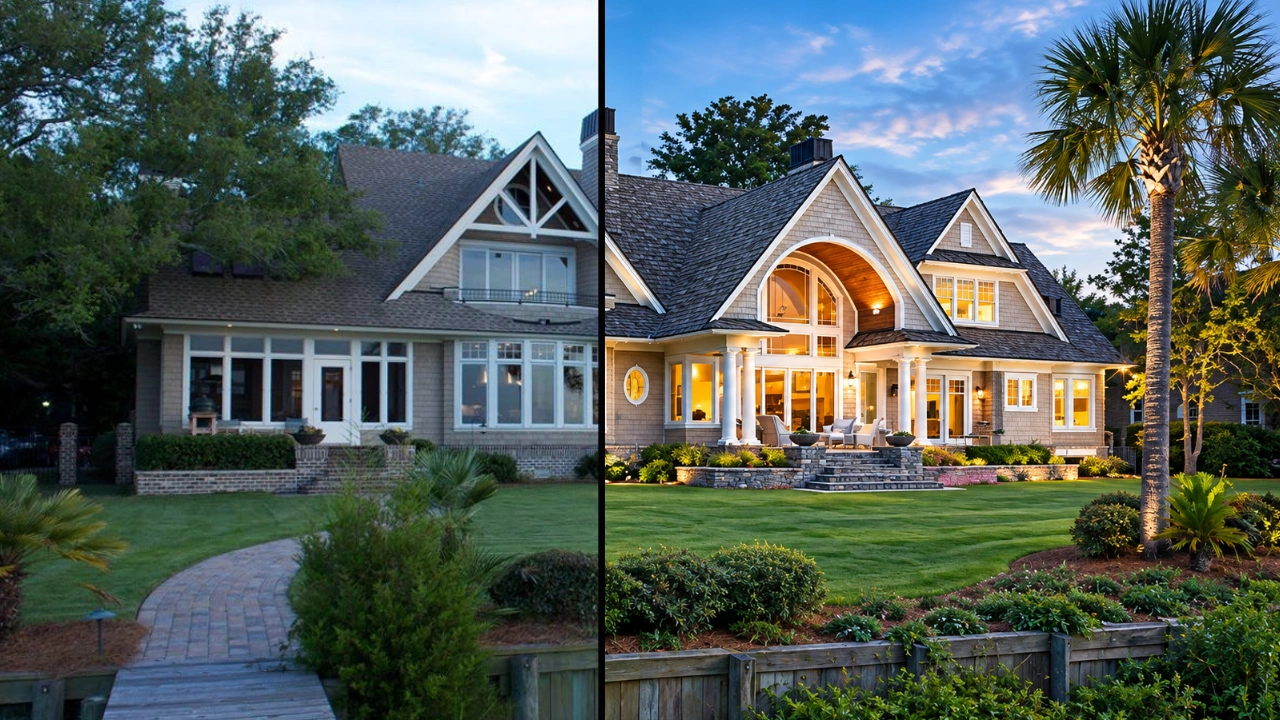
A listing photo has to do a lot of work at once. It has to catch attention on a busy search page. It has to build trust in the property and the agent. It has to give buyers enough information to decide if a showing is worth their time.
Professional real estate photography matters because first impressions form fast. They are also hard to change later. A buyer who gets a bad first impression from weak photos rarely comes back for a second look. They simply move on to the next listing. Strong, clear photos also help a listing stand out.
When several similar homes list around the same time, the one with brighter, clearer, better composed photos usually gets clicked first. It also tends to stay in a buyer’s memory longer, which helps the whole marketing effort behind the listing.
How Professional Photos Help Sell Properties Faster
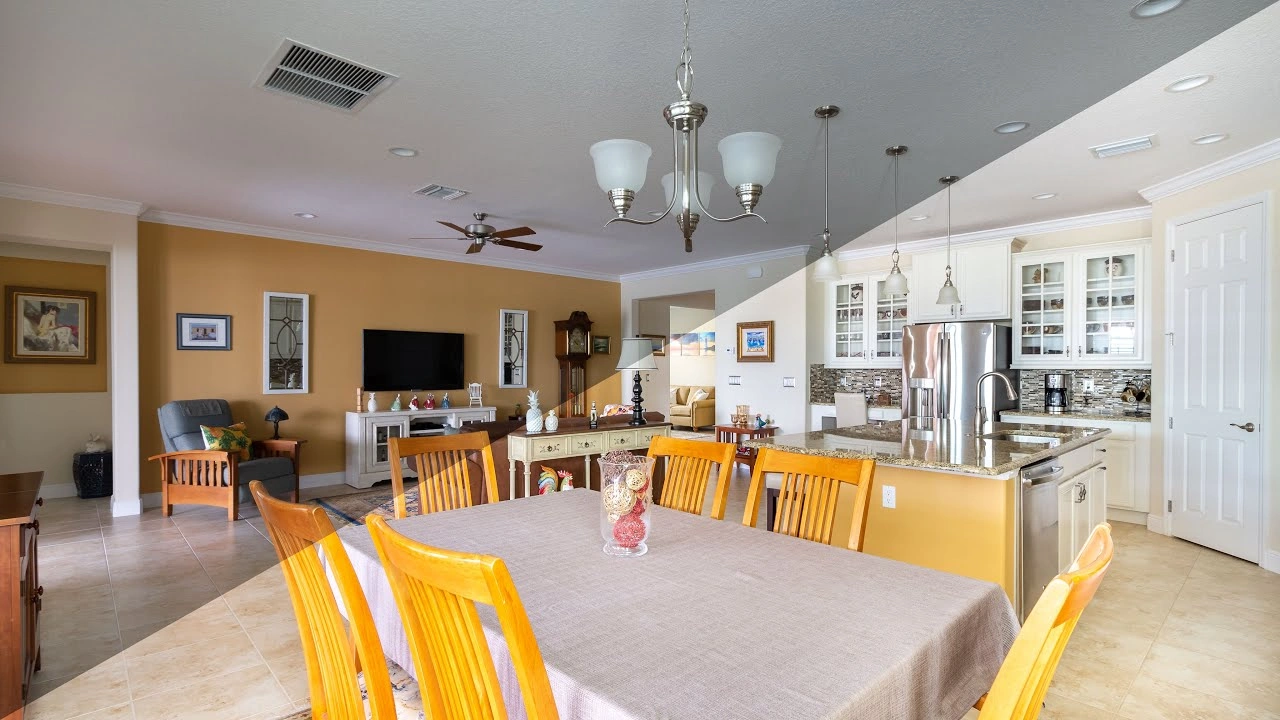
Short Answer: Professional photos help sell homes faster in a few simple ways. They grab more attention. They show rooms and features clearly. They lead to more questions and more showings. This does not guarantee a fast sale. But it does improve the odds compared to weak or unedited photos.
The reason is simple, not mysterious. Better photos stand out in search results and on social media. They look different from the flat, dark listings around them. Once a buyer clicks on a listing, clear and well lit rooms are easier to understand. Buyers are trying to picture the whole layout from just a few photos, so clarity matters a lot. Photos that show real strengths, a renovated kitchen, a bright living room, a usable backyard, help buyers form a good and accurate impression before they even step inside.
That good impression usually leads to more inquiries and more showings. Buyers who already like what they see are more likely to act fast instead of scrolling on. More showings in a short time usually means a better chance of getting an offer sooner. Good photos also do more than help one listing. A strong photo set becomes a reusable asset. It can be used on a website, on social media, in brochures, and in email campaigns long after the listing goes live.
Professional Real Estate Photography vs. DIY Photos
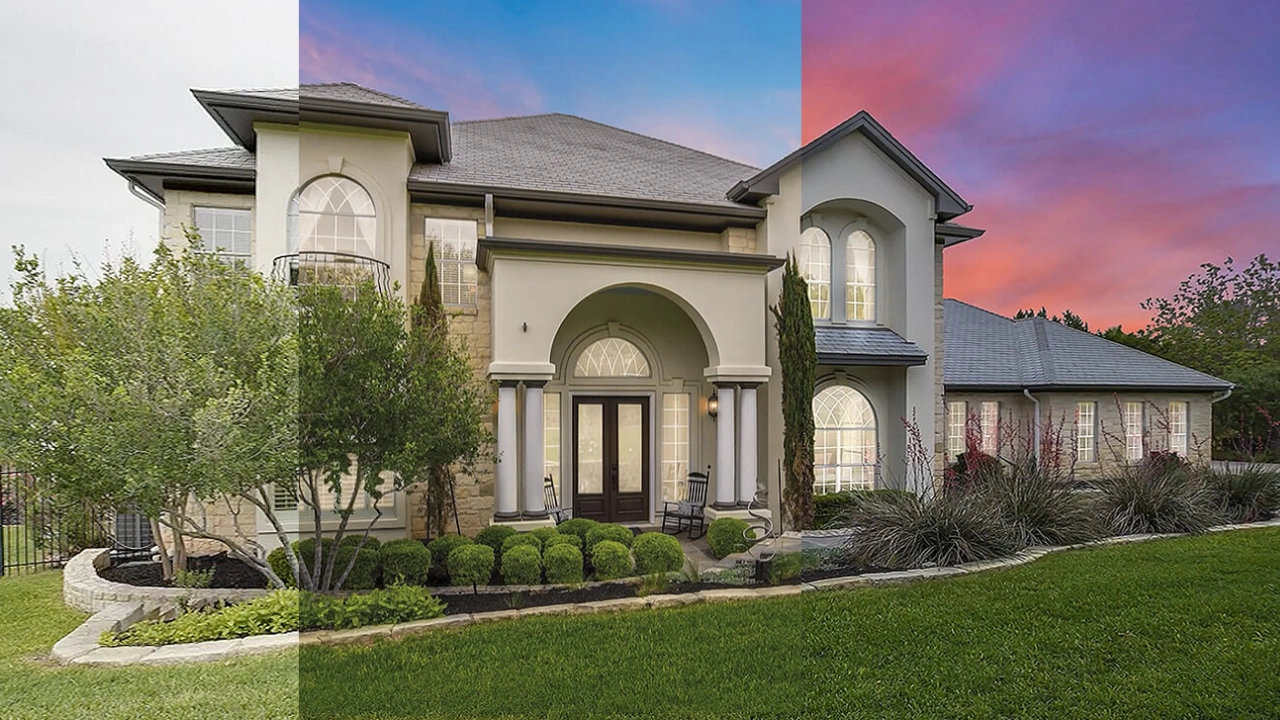
DIY property photos usually rely on a phone camera and whatever light happens to be around at the time. Rooms end up too dark, windows blow out, and walls often look slightly tilted. Professional real estate photography takes a more deliberate approach. Photographers control lighting, choose the right lens, and frame each room to show its true size and flow, keeping exposure balanced instead of guessing.
That gap widens once real estate photo editing comes in, fixing color, straightening perspective, and blending exposures into a natural, polished result. DIY shots can still work fine for casual or budget listings. But professional property images consistently look clearer and more inviting, helping buyers take a listing seriously from the very first scroll. Professional photography and editing win on nearly every factor, but DIY photos still have a place for quick, low-budget listings.
| Factor | Professional Real Estate Photography | DIY Property Photos |
|---|---|---|
| Lighting | Controlled with flash, reflectors, and exposure blending | Uses available natural or room lighting |
| Camera Equipment | DSLR/mirrorless camera, wide-angle lens, and tripod | Smartphone or basic point-and-shoot camera |
| Composition | Carefully framed to highlight room flow and key features | Quick angles may cut off important features |
| Perspective | Vertical lines are kept straight and corrected in editing | Walls and doors may appear slightly tilted |
| Exposure | Balanced using bracketing to control bright windows and dark areas | Windows may be overexposed or rooms may appear too dark |
| Photo Editing | HDR blending, color correction, retouching, and enhancement | Little or no professional editing |
| Image Quality | Sharp, polished, and consistent across the gallery | Quality may vary from room to room |
The Importance of Lighting in Real Estate Photography
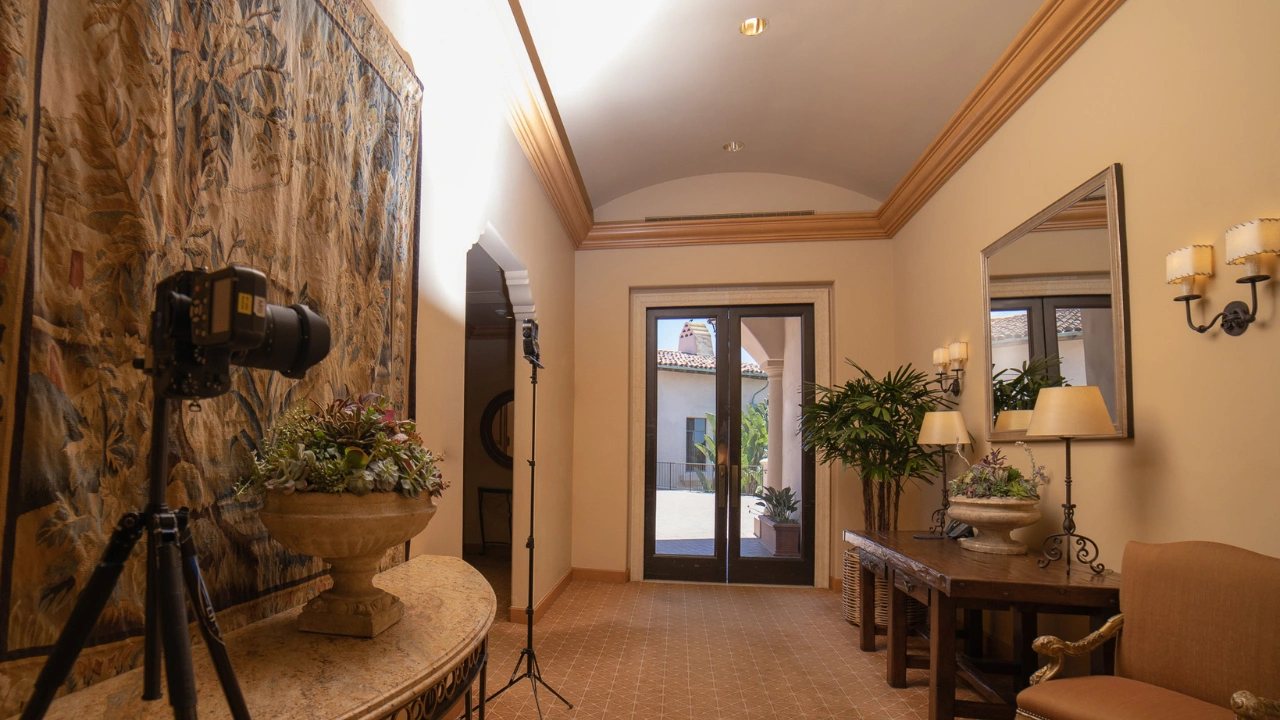
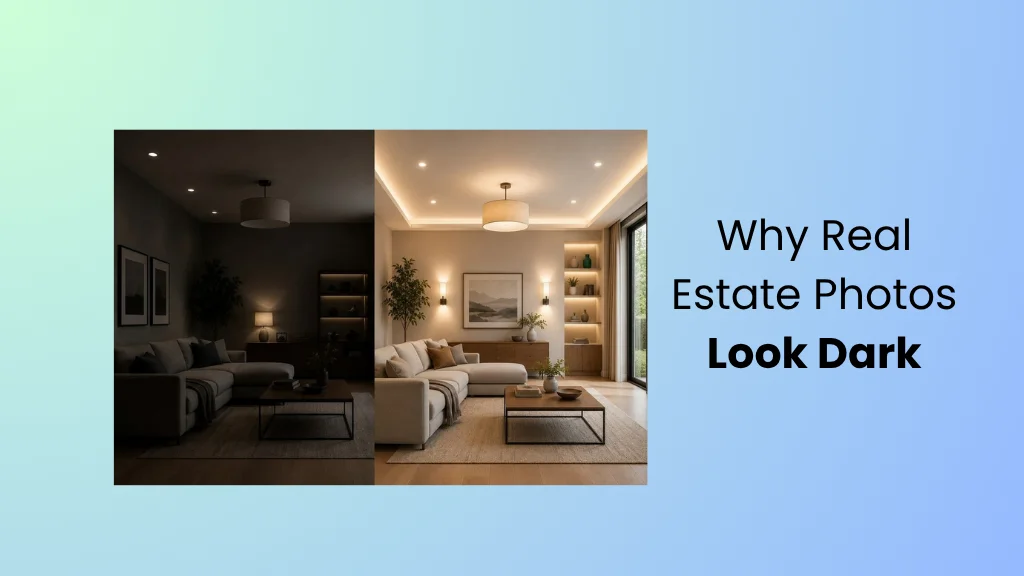
Lighting is probably the single biggest factor in a good property photo. Natural light through a window can feel warm and inviting. But it also creates a problem. Light from a window is almost always much brighter than light inside the room. Without control, a camera has to choose one option. It can expose for the window, which leaves the room dark. Or it can expose for the room, which turns the window into a bright white patch.
Indoor light bulbs add another layer to this problem. They often give off a different color than daylight. This can create a yellow or blue tint if white balance is not handled well. Photographers manage this in a few ways. They mix natural and artificial light with care.
They take bracketed shots to capture detail across both dark and bright areas. They also watch color temperature closely, so a room’s true colors show up correctly. Even with a well planned shoot, most photos still need some lighting correction during editing. This is a normal part of the process, not a sign that something went wrong.
What Is HDR Real Estate Photography?
Short Answer: HDR stands for high dynamic range. In real estate photography, it means blending several exposures of the same shot into one balanced image. One exposure captures detail in bright areas. Another captures detail in dark areas. HDR keeps both a bright window and a darker room visible in the same photo.
A single camera shot can only capture a limited range of light. It struggles when a scene has both very bright and very dark areas. A room with a sunny window and a shadowed corner often has too much range for one shot to handle well.
HDR solves this by taking several bracketed shots, usually three or five. These shots are blended together. The result keeps detail in the bright window and the dark corner at the same time.
Good HDR should look natural. It should look close to what your own eyes would see standing in the room. Bad HDR looks different. It can look flat. It can create odd halos around window frames. It can make the whole room look strangely even and artificial. The goal of HDR editing is realism and balance, not an exaggerated effect.
How Real Estate Photo Editing Improves Property Images
Real estate photo editing is the step after the photo shoot. Raw photos are refined into finished, ready to publish images. A few common techniques are used on almost every photo in a gallery.
HDR blending combines bracketed shots for balanced light across the whole frame.
Exposure correction fixes photos that came out a bit too bright or too dark.
Color correction and white balance remove odd color tints, so walls, floors, and furniture look true to life.
Shadow and highlight adjustment brings back detail in dark corners or bright windows without a full HDR blend.
Perspective and lens correction straightens vertical lines that wide lenses tend to bend.
Noise reduction and sharpening clean up grain from low light and add crisp detail.
Object removal, used carefully and honestly, can take out a trash bin, a cord, or a parked car that pulls attention away from the home.
Image enhancement improves clarity, contrast, and color so the photo feels polished.
Sky replacement, when used the right way on outdoor shots, swaps a dull sky for a clearer one to boost curb appeal.
Each of these steps is small on its own. But applied across a full gallery of twenty or thirty photos, they add up. This is what separates a set of images that looks professionally made from one that looks rushed, even if both were shot with similar gear.
Common Real Estate Photography Mistakes
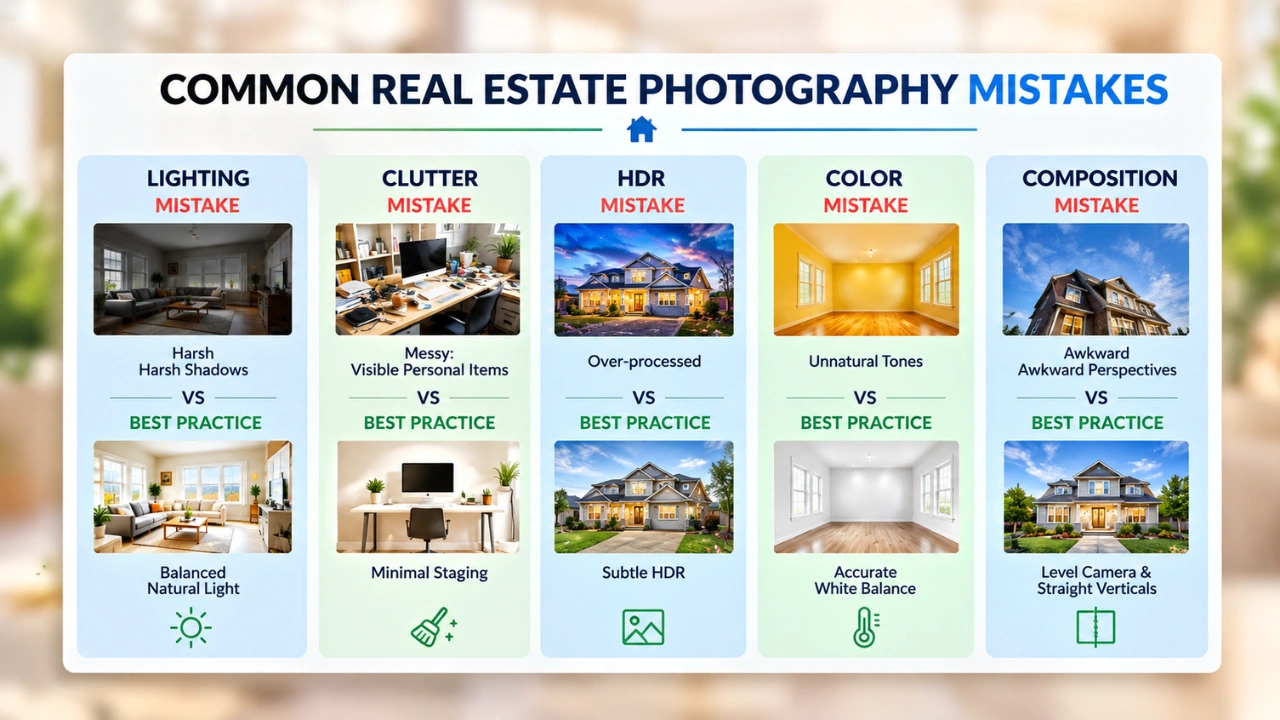
A few mistakes show up often in unedited or rushed listings. Here are the most common ones.
Poor lighting. Rooms that are too dark or too bright are hard to judge.
Wrong exposure. Blown out windows or dark rooms hide details buyers want to see.
Crooked lines. Tilted walls or door frames make a home look slightly off, even when nothing is actually wrong.
Distracting objects. Trash cans, cords, or clutter pull the eye away from the room itself.
Weak angles. A bad angle can cut off key features or make a room look smaller than it is.
Inconsistent colors. A gallery with a different color tone in each room feels messy and unpolished.
Low resolution. Blurry or grainy photos make buyers trust the listing less.
Too much HDR or editing. Halos, flat light, or fake looking colors can make a home look artificial.
Most of these problems can be fixed during editing. This is why photo editing plays such a big part in real estate marketing. It is not just a final touch. It is often a real correction step.
How Better Photos Improve Online Property Listings
Real estate marketing rarely lives in just one place. The same photo gallery usually has to work on real estate websites, big property marketplaces, an agent’s own site, social media, ads, printed brochures, and email campaigns. A clean, well edited set of photos works well across all of these. The same quality that grabs attention on a marketplace listing also helps on a social media post or a flyer at an open house.
This is one of the most underrated benefits of good real estate photography and editing. It is not just a one-time asset for a single listing page. It becomes the visual base for the whole marketing plan around that property.
When Should Real Estate Photographers Outsource Photo Editing?
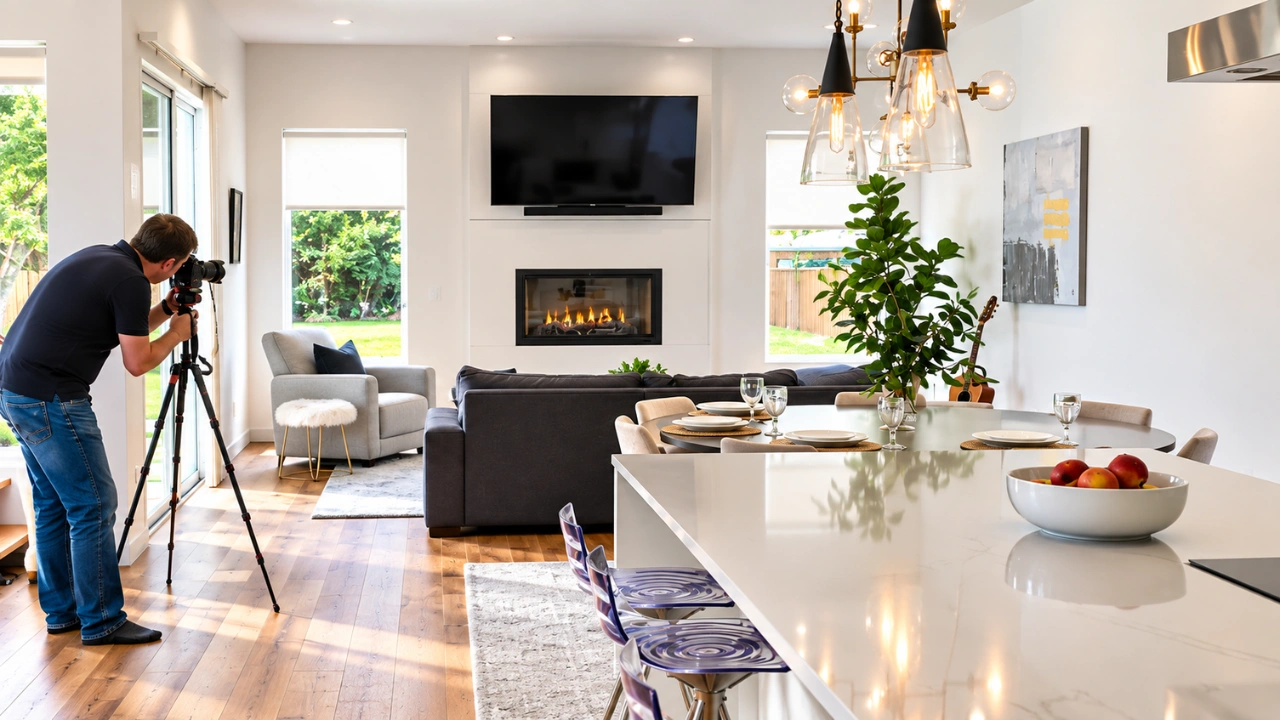
Short Answer: Outsourcing photo editing usually makes sense in three cases. The first is high shoot volume. The second is tight deadlines. The third is trying to grow a business without hiring and training in-house editors. Outsourcing gives photographers more time to shoot and meet clients, instead of sitting at a computer editing late into the night.
Real estate photography work is often uneven. It gets busy during peak selling seasons and quiet at other times. Building a full in-house editing team for peak demand can mean paying for unused capacity during slow months. Photographers who shoot several properties in one day also benefit from outsourcing. So do agencies managing several photographers at once. It keeps the editing style consistent across every listing, instead of each photographer editing their own photos in a different way.
Benefits of Professional Real Estate Photo Editing Services
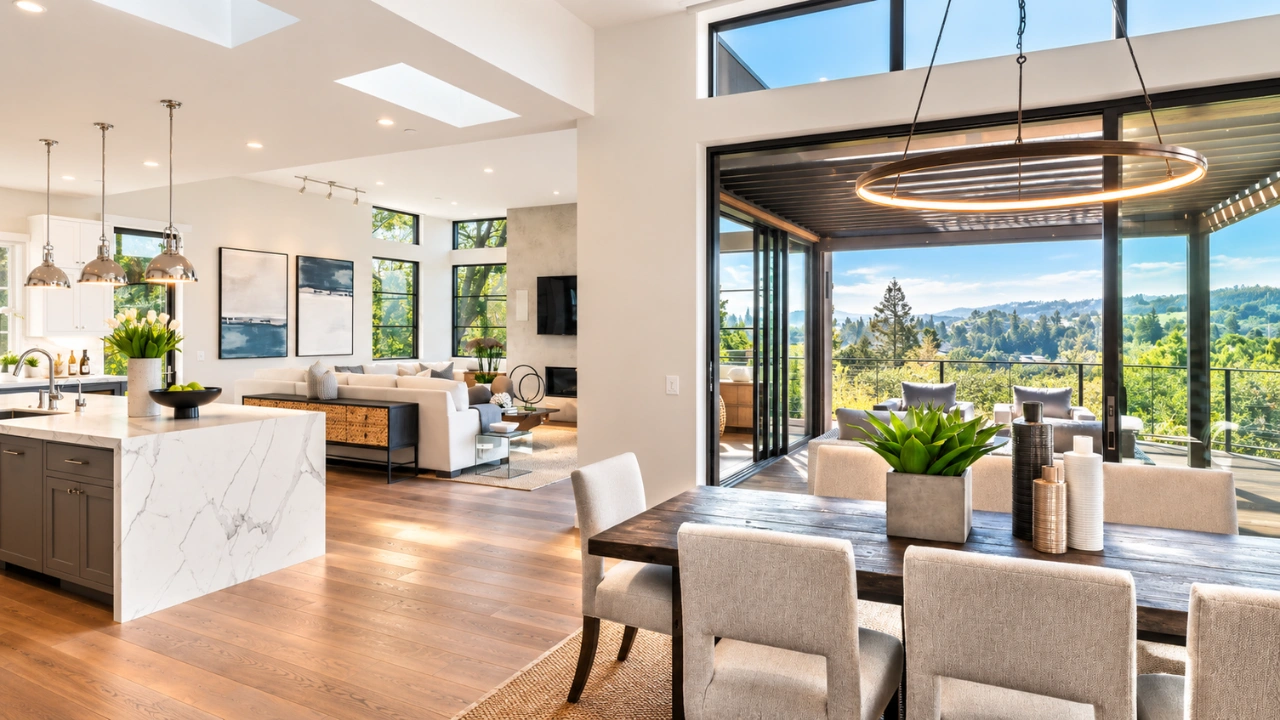
A dedicated real estate photo editing service offers a few clear benefits. Consistency is one of the biggest. A trained editing team uses the same color style, exposure standards, and HDR approach on every image and every listing. This keeps an agent’s or agency’s full portfolio looking cohesive. Professional editing services are also built for speed, since listings need to go live fast and cannot wait on a slow editing queue.
Outsourcing also frees up a photographer’s time. That time can go toward shooting properties, meeting clients, and growing the business, instead of doing repeat editing work that a trained editor can finish faster. For agencies handling dozens of listings each month, this kind of scale matters a lot. Sending five images one week and two hundred the next, without any drop in quality, is often the main reason outsourcing makes sense in the first place.
How Clipping Area Supports Real Estate Photographers
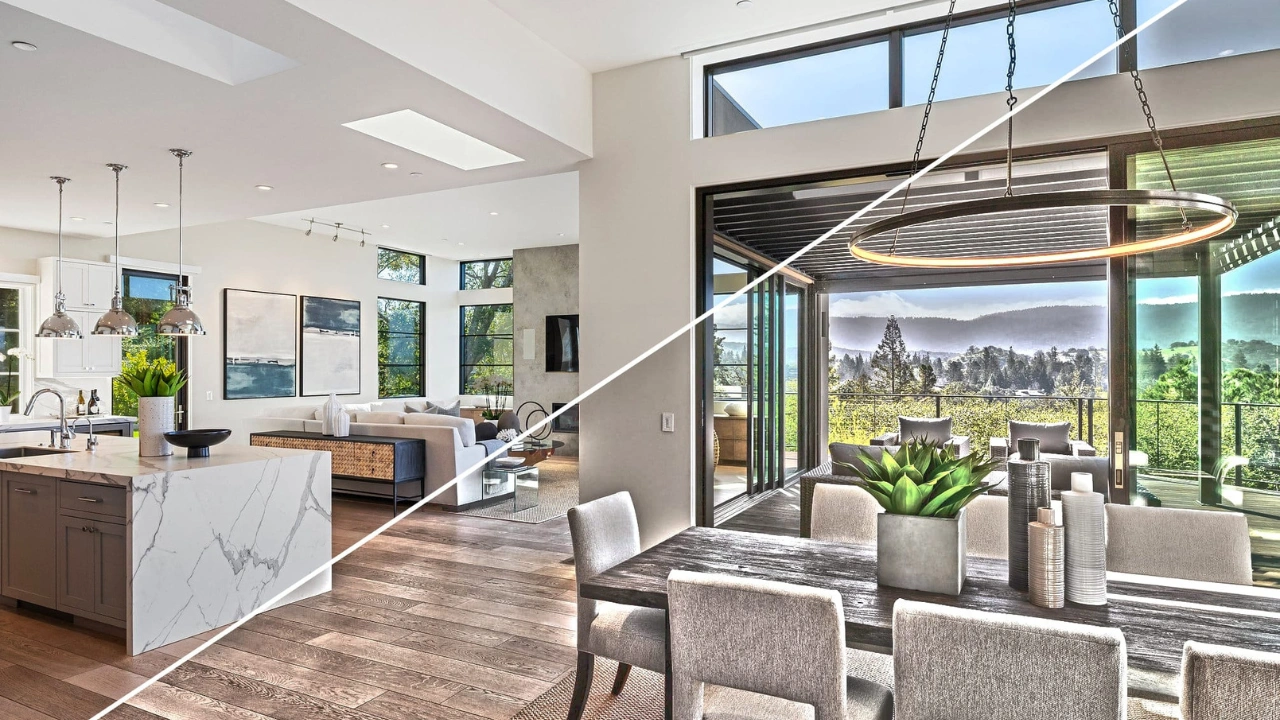
Clipping Area is a professional image editing and post-production provider. We work with photographers, agencies, and other commercial clients who need consistent, high quality editing at scale. For real estate, our team focuses on HDR real estate photo editing. We take bracketed shots from a shoot and blend them into balanced, natural looking final images, not an artificial or overprocessed HDR look.
Along with HDR blending, this work also includes exposure balancing across a full gallery, color correction and white balance so every room in a listing matches, shadow and highlight recovery for tricky lighting, perspective and lens correction to straighten lines, and general image enhancement for a clean, polished finish before a photo goes live.
Beyond real estate, Clipping Area also supports clients with clipping path work, eCommerce photo editing, apparel ghost mannequin editing, jewelry photo retouching, background removal, and general photo retouching services. Real estate photographers who also shoot product or lifestyle work often use these extra services too, since the same editing team handles all of it.
Practical Real Estate Photography Tips
A few habits reliably improve results. This applies whether you are a professional photographer or an agent shooting a listing yourself.
Declutter each room before shooting. Remove personal items, trash bins, and anything that distracts from the space.
Use a tripod to keep shots sharp and level, especially in low light.
Keep vertical lines straight in camera when you can. This means less correction later.
Choose angles that show a room’s natural flow, instead of trying to fit as much as possible into one frame.
Use natural light when it looks good, but do not rely on it alone in rooms with uneven light.
Bracket exposures in tricky lighting, so there is enough range to blend cleanly later.
Take a few different shots of key rooms, so you have options during editing and selection.
Keep framing and camera height consistent across similar rooms for a cohesive gallery.
Shoot in RAW format when you can. It holds more detail for editing than a compressed JPEG.
Review your images before sending them for editing. Flag any shots that need extra attention.
Frequently Asked Questions
What is real estate photography?
Real estate photography means taking photos of a property’s inside, outside, and surroundings for marketing. It is used in online listings, brochures, and ads. It combines photography skill with an understanding of what buyers look for, from room shots to curb appeal photos.
Why is professional real estate photography important?
Listing photos are often a buyer’s first look at a property. Clear, well lit, well composed photos build trust. They help a listing stand out from others. They also give buyers enough information to decide if a showing is worth their time.
How do professional photos help sell properties faster?
Professional photos grab more attention in search results. They show rooms clearly. They lead to more inquiries and more showings. This improves a listing’s odds of a faster sale, though photos work alongside price and market conditions rather than replacing them.
What is HDR real estate photography?
HDR real estate photography blends several exposures of the same shot into one balanced image. It keeps detail visible in both bright windows and darker areas. It works well in rooms where natural light creates a big gap between bright and dark areas.
How does real estate photo editing work?
Real estate photo editing takes raw photos through several steps. These include HDR blending, exposure correction, color correction, shadow and highlight recovery, perspective correction, and general enhancement. The result is a clean, consistent, ready to publish gallery.
Should real estate photographers outsource photo editing?
Outsourcing tends to help photographers with high shoot volume, tight deadlines, or growing agency workflows. It lets photographers spend more time shooting and meeting clients, while a dedicated editing team keeps quality consistent across every listing.
What makes a good real estate listing photo?
A good listing photo is well lit, properly exposed, and free of clutter. It shows a room’s true size and features clearly. It should look natural, not overly processed, and it should match the tone of the rest of the gallery.
How can professional photo editing improve property images?
Professional editing fixes lighting and color problems. It straightens perspective. It removes distracting objects. It creates one consistent look across a full gallery, so buyers focus on the property instead of technical flaws in the photos.
Bringing It Together
Real estate photography and real estate photo editing work as two parts of one process. Good photography captures a home’s real features clearly. Good editing, including HDR blending, color correction, and perspective fixes, turns those shots into a clean, polished gallery ready for the market. Together, they give a property a better chance to attract attention, gain inquiries, and move toward a sale within a reasonable time.
If you are a real estate photographer, agent, or agency looking for reliable HDR real estate photo editing or other post-production support, Clipping Area’s team is ready to deliver consistent, fast turnaround editing for every property you shoot.