How long does it take to edit photos? A simple photo usually takes 1 to 5 minutes to edit. Detailed retouching can take 20 to 60 minutes or more per image. Complex image manipulation can take several hours.
The honest answer is that it depends. Two photos from the same shoot can need very different amounts of work. One may need a quick exposure fix. The next may need skin retouching, background cleanup, and color matching.
Photo editing time depends on several factors:
- Image type and quality
- Number of images
- Editing complexity and retouching level
- Required quality standard
- Editing software and workflow
- Editor experience
- Client requirements and revision requests
- Turnaround expectations
This is why professional photo post-production is treated as a process, not a single task. Editors inspect files, plan the edit, do the work, check quality, and export in the right format.
This guide explains how long does it take to edit photos for different image types, what slows the work down, and how businesses can get large batches edited on time without losing quality.
How Long Does It Take to Edit Photos?
Most photos take between 1 and 20 minutes to edit. Basic corrections sit at the low end. Detailed commercial retouching and manipulation sit at the high end and can go well beyond an hour.
Here are general estimates for common photo editing tasks:
| Photo Editing Type | Approximate Time Per Image |
|---|---|
| Basic color correction | 1-3 minutes |
| Exposure and white balance | 1-3 minutes |
| Basic cropping and resizing | 1-2 minutes |
| Background removal | 2-10 minutes |
| Clipping path | 5-20 minutes |
| Basic portrait retouching | 5-15 minutes |
| High-end portrait retouching | 20-60+ minutes |
| Product photo editing | 5-20 minutes |
| Jewelry retouching | 15-45+ minutes |
| Real estate photo editing | 3-10 minutes |
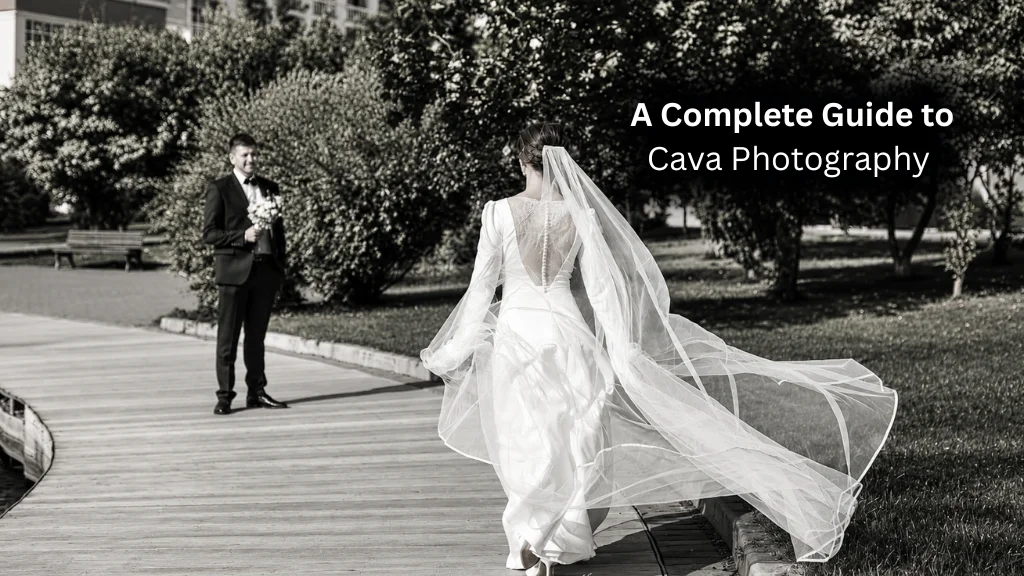
| Wedding photo editing | 3-15 minutes |
| Advanced image manipulation | 30-120+ minutes |
These numbers are general estimates, not guarantees. A poorly lit image, a tricky edge, or a strict brand guideline can double the time. A clean, well-shot image with simple instructions can come in under the range.
What Determines How Long Photo Editing Takes?
Seven main factors decide photo editing time. Understanding them helps you plan projects and set realistic deadlines.
Type of Photo
Each photo type has its own workflow. That is a big part of how long does it take to edit photos in practice.
- Portraits need skin, eye, and hair work.
- Product photos need clean backgrounds and accurate color.
- Jewelry needs reflection control and precise masking.
- Fashion needs fabric cleanup and consistent styling.
- Real estate needs exposure blending and straight lines.
- Weddings need consistency across hundreds of images.
- Commercial ads need pixel-level detail.
Complexity of the Editing
Basic adjustments change the whole image at once. Think brightness, contrast, and white balance. These are fast.
Advanced retouching works on small areas by hand. Removing a stray hair, smoothing fabric wrinkles, or rebuilding a damaged edge takes careful, local work. More local work means more time.
Number of Images
Editing one image is different from editing 500 or 5,000. With one image, all the setup time falls on that single file. With a large batch, editors can build presets, sync settings, and reuse techniques. The time per image often drops as volume grows. The total project still takes longer, of course.
Image Quality
Good source files edit faster. Problems add time:
- RAW vs JPEG: RAW files hold more data, so corrections are cleaner. JPEGs have less room for recovery.
- Low resolution: Harder to mask and retouch accurately.
- Lighting problems: Harsh shadows or mixed light need extra correction.
- Noise and blur: Need reduction or careful sharpening.
- Bad exposure: Blown highlights can be hard or impossible to recover.
Required Quality Level
How long does it take to edit photos at different quality levels? The gap is large:
| Quality Level | Typical Use | Relative Time |
|---|---|---|
| Basic editing | Social media, internal use | Fastest |
| Standard professional editing | Websites, catalogs, listings | Moderate |
| High-end retouching | Portfolios, beauty, luxury products | Slow |
| Commercial advertising retouching | Billboards, print ads, campaigns | Slowest |
A billboard image will be viewed large and closely. Every flaw shows. So the editor spends much more time on it.
Editor’s Experience
An experienced Photoshop professional knows which tool fits each problem. They use shortcuts, actions, and proven workflows. They also make fewer mistakes, so less rework is needed. A beginner may take twice as long on the same image and still produce uneven results.
Revisions
Revisions add time to the overall turnaround. Each round means reopening files, making changes, checking quality again, and re-exporting. Unclear instructions at the start are the most common reason for multiple revision rounds.
How Long Does Different Types of Photo Editing Take?
Below is a closer look at photo editing time for each common service.
Basic Photo Editing
Typical time: 1 to 5 minutes per image.
Basic editing covers exposure, contrast, saturation, white balance, cropping, straightening, and simple color correction. Tools like Lightroom let editors apply these fixes quickly and sync them across similar images. This is the fastest type of editing.
Portrait Photo Editing
Typical time: 5 to 15 minutes per image.
Standard portrait retouching includes skin cleanup, blemish removal, teeth whitening, eye enhancement, flyaway hair cleanup, and color adjustments. The goal is a fresh, natural look. Overdone skin smoothing is a common mistake, and avoiding it takes care.
High-End Photo Retouching
Typical time: 20 to 60+ minutes per image.
So, how long does high-end photo retouching take? Longer than most people expect. Editors use techniques like frequency separation (splitting texture from color and tone) and dodge and burn (hand-painting light and shadow). They work on skin texture, facial details, hair, clothing, subtle body shaping, and color grading. Keeping real skin texture while removing flaws is slow, precise work.
Product Photo Editing
Typical time: 5 to 20 minutes per image.
How long does it take to edit product photos for eCommerce? Most product images fall in this range. The work includes background cleanup, color correction to match the real product, dust and scratch removal, shadow creation, and alignment. Consistency matters a lot. Every image in a store should share the same background, margins, and lighting style.
Background Removal
Typical time: 2 to 10 minutes per image.
How long does background removal take? A box on a plain backdrop can take a couple of minutes. Hair, fur, transparent glass, and lace take much longer. These need image masking (selecting soft or fine areas pixel by pixel) rather than a simple cut.
Clipping Path
Typical time: 5 to 20 minutes per image, sometimes more.
A clipping path is a hand-drawn vector outline made with the Photoshop Pen Tool. How long does a clipping path take? A simple product with straight sides takes a few minutes. Shoes, furniture, bicycles, and jewelry with many curves and inner gaps can take 20 to 60 minutes or more.
Jewelry Photo Retouching
Typical time: 15 to 45+ minutes per image.
Jewelry is one of the most demanding categories. Editors handle detailed masking, reflection control, dust removal, stone enhancement, metal cleanup, and color correction. Gold must look like gold. Diamonds need clean sparkle. Tiny surfaces show every scratch at zoom.
Real Estate Photo Editing
Typical time: 3 to 10 minutes per image.
How long does it take to edit real estate photos? Usually not long per image, but listings arrive in large sets. Work includes HDR blending (merging several exposures into one balanced image), window pulls, perspective correction, sky replacement, and color balancing. Straight vertical lines are a must.
Wedding Photo Editing
Typical time: 3 to 15 minutes per image.
How long does it take to edit wedding photos in total? A single wedding can produce 500 to 1,500 final images, so the full job may take days or weeks. Editors rely on batch editing for color consistency, then add skin retouching and selective corrections to key shots like portraits and the ceremony.
Fashion Photo Retouching
Typical time: 10 to 45 minutes per image.
Fashion work covers skin, clothing, fabric texture, hair, color accuracy, subtle body shaping, and commercial consistency across a collection. Ghost mannequin editing (removing the mannequin to create a 3D hollow effect) adds more steps for apparel brands.
Advanced Photo Manipulation
Typical time: 30 minutes to several hours.
Composites, object removal, object replacement, realistic shadows, and perspective matching take the longest. Each element must match in light direction, color, grain, and scale. If one detail is off, the whole image looks fake.
How Long Does It Take to Edit 100, 500, or 1,000 Photos?
Total time depends on the per-image time and the workflow. Here are practical examples for a single editor at 5 minutes per image of hands-on work:
| Number of Photos | Hands-On Editing Time | Realistic Solo Turnaround |
|---|---|---|
| 100 photos | About 8 hours | 1-2 working days |
| 500 photos | About 42 hours | 1-2 weeks |
| 1,000 photos | About 83 hours | 2-4 weeks |
| 5,000+ photos | 400+ hours | Months for one person |
How long does it take to edit 100 photos? For basic work, one experienced editor can often finish in a day. How long does it take to edit 500 photos? More than one normal work week for one person at standard quality.
Keep two ideas separate:
- Per-image editing time is the hands-on work on one file.
- Total project turnaround time includes setup, breaks, quality checks, exports, file transfers, and revisions.
Batch processing, presets, automation, standardized workflows, and editing teams all reduce turnaround. A team of editors can split a 5,000-image job and work in parallel. Even so, a reliable provider will confirm a realistic timeline rather than promise the impossible.
How Many Photos Can a Professional Editor Edit in a Day?
There is no single correct number. A professional editor might edit a few hundred basic images in a day, or only 8 to 15 high-end retouches.
Daily output depends on:
- Editing complexity
- Image quality
- Workflow and software
- Level of automation
- Required accuracy
- Number of revisions
- Team size
An individual photographer who edits their own work also shoots, meets clients, and runs a business. Their real editing hours per day are limited. A professional post-production team works in shifts, divides tasks by skill, and runs separate quality checks. That structure lets a team handle far more volume while keeping results consistent.
Why Does Professional Photo Editing Take Time?
Professional editing is not just applying a filter. Each image goes through several steps:
- Image inspection: Checking for flaws, exposure issues, and special needs.
- Masking and selections: Isolating the subject precisely.
- Layer work: Keeping edits non-destructive so they can be changed later.
- Color correction: Matching real colors and brand standards.
- Retouching: Removing dust, blemishes, wrinkles, and distractions.
- Edge refinement: Cleaning hair, fur, and soft edges.
- Shadow creation: Adding natural drop, reflection, or original shadows.
- Consistency checks: Comparing images side by side.
- Quality control: A second review before delivery.
- File naming and exporting: Correct sizes, formats, and color profiles.
- Client revisions: Adjusting based on feedback.
The goal is natural-looking results, not simply fast results. A rushed edit often shows plastic skin, jagged edges, or color shifts. Those problems cost more time later.
Is AI Photo Editing Faster Than Manual Editing?
Yes, AI is faster for simple, repetitive tasks. It is less reliable for detailed or high-stakes work, where human editing still matters.
Advantages of AI
- Fast processing of single images
- Batch editing of large sets
- Automatic masking and subject selection
- Quick background removal on clean images
- Basic enhancement like exposure and noise reduction
- Workflow automation for repetitive steps
Limitations of AI
- Complex edges and fine hair often look rough
- Jewelry reflections and stones are hard to handle
- Skin texture can be over-smoothed
- Brand-specific requirements are easy to miss
- Complex compositions confuse automatic tools
- Natural-looking manipulation needs human judgment
- Detailed commercial retouching still needs manual work
Many professional workflows now combine AI-assisted tools with human quality control. AI handles the first pass. A skilled retoucher checks and refines the result. This mix can save time without lowering standards.
Manual vs AI vs Professional Photo Editing Agency
| Method | Speed | Control | Best For | Limitations |
|---|---|---|---|---|
| DIY editing | Slow to moderate | Full | Small volumes, personal style | Takes time from shooting and business |
| AI editing | Very fast | Limited | Simple, repetitive tasks | Weak on complex edges and detail |
| Freelance editor | Moderate | Good | Small to medium projects | Limited capacity, availability varies |
| Professional agency | Fast at scale | Good with clear briefs | Large volumes, commercial work | Needs clear instructions upfront |
No option is best for everyone. The right choice depends on volume, budget, deadline, and quality needs.
How to Get Photos Edited Faster Without Losing Quality
These steps shorten turnaround whether you edit yourself or outsource:
- Organize images before sending. Remove rejects and duplicates first.
- Provide clear editing instructions. Say exactly what you want and what you don’t.
- Use consistent file naming. It avoids mix-ups and speeds delivery.
- Group similar images. Similar shots can share settings.
- Provide reference images. One example beats a long description.
- Specify output requirements. Size, format, background, margins, and color profile.
- Avoid unnecessary revisions. Approve a test batch before the full job.
- Use batch processing where appropriate. Apply shared corrections in one step.
- Choose the correct editing service. Don’t order high-end retouching for simple listings.
- Work with an experienced post-production team. Experience reduces errors and rework.
When Should You Outsource Photo Editing?
Outsourcing makes sense when editing takes time you could spend on higher-value work. Common cases include:
- Large image volumes that one person can’t handle
- Tight deadlines for launches or campaigns
- eCommerce businesses with constant new products
- Amazon and Shopify sellers who must meet marketplace image rules
- Professional photographers who want to shoot more and edit less
- Real estate photographers with fast listing turnarounds
- Wedding photographers in peak season
- Fashion brands with seasonal collections
- Advertising agencies and marketing teams with multiple projects
- Product photography studios handling many clients
Outsourcing lets photographers and businesses focus on shooting, marketing, clients, and sales while specialists handle post-production.
What Is a Typical Professional Photo Editing Turnaround Time?
Professional photo editing turnaround time usually ranges from 24 hours to several days. It depends on project scope and complexity.
| Project Type | Typical Turnaround |
|---|---|
| Small project (under 50 basic images) | Often within 24 hours |
| Medium project (50-500 images) | About 1-3 days |
| Large batch (500+ images) | Several days, often split into deliveries |
| Rush project | Faster, depending on capacity, often at extra cost |
| Complex high-end retouching | Per image, can take longer regardless of volume |
These are common industry patterns, not fixed rules. A professional agency should confirm the expected delivery time before starting the project. If a provider promises very fast delivery on complex work without seeing the images, be careful.
How Clipping Area Helps With Photo Post-Production
For businesses handling large volumes of commercial images, working with a professional post-production photo retouching agency can make the editing process easier to manage.
Clipping Area is a post-production photo retouching agency that supports eCommerce brands, fashion labels, photographers, real estate businesses, and marketing agencies. Services include:
- Clipping path and image masking
- Background removal
- Photo retouching and high-end retouching
- Product photo editing and eCommerce image editing
- Color correction
- Shadow creation
- Ghost mannequin editing
- Jewelry retouching
- Fashion photo editing
- Real estate photo editing
- Image manipulation
Working with a dedicated team helps in several practical ways:
- Consistency: The same standards apply across every image in a catalog.
- Scalability: Large batches can be split across trained editors.
- Workflow management: Files, instructions, and deliveries are tracked in one place.
- Quality control: Images get reviewed before they go out.
- Large-volume editing: Seasonal peaks don’t overwhelm your in-house team.
- Deadline management: Delivery timelines are confirmed before work begins.
A good first step is sending a few sample images with your instructions. That shows the expected quality and gives a realistic time estimate for the full project.
How to Estimate Your Own Photo Editing Time
Use this simple formula:
Estimated Total Editing Time = Number of Images × Average Editing Time Per Image
Example 1: 200 images at 5 minutes each
200 × 5 = 1,000 minutes = about 16.7 hours
Example 2: 50 product images at 12 minutes each
50 × 12 = 600 minutes = 10 hours
Example 3: 20 high-end portraits at 40 minutes each
20 × 40 = 800 minutes = about 13.3 hours
This formula is only a starting point. Add time for project setup, breaks, quality control, exports, and revisions. A practical buffer is 15 to 25 percent on top of your estimate.
Frequently Asked Questions
How long does it take to edit one photo?
A simple photo takes 1 to 5 minutes to edit. Detailed professional retouching can take 20 to 60 minutes or more. The exact time depends on the image, requirements, and desired quality.
How long does it take to edit 100 photos?
Editing 100 photos with basic corrections takes about 5 to 8 hours for one experienced editor. With detailed retouching, it can take several days.
How long does professional photo editing take?
Professional photo editing usually takes 3 to 20 minutes per image for standard work. High-end or commercial retouching can take an hour or more per image.
How long does it take to edit a wedding photo?
A single wedding photo takes about 3 to 15 minutes. A full wedding gallery of several hundred images often takes one to several weeks for a solo photographer.
How long does it take to edit product photos?
Most product photos take 5 to 20 minutes each. Simple items on white backgrounds are faster. Reflective or complex products take longer.
How long does it take to edit real estate photos?
Real estate photos usually take 3 to 10 minutes each. HDR blending, window pulls, and sky replacement add time.
How long does high-end retouching take?
High-end retouching usually takes 20 to 60 minutes or more per image. Beauty and advertising work can take several hours.
Is AI photo editing faster?
Yes, AI is faster for simple, repetitive tasks like basic background removal. For complex edges, jewelry, and detailed retouching, human editing still gives more reliable results.
Can a professional editor edit hundreds of photos in one day?
Yes, for basic corrections using batch workflows. For detailed retouching, one editor may finish only 8 to 15 images a day.
Why does professional photo editing take so long?
Quality editing includes inspection, masking, retouching, color correction, consistency checks, and quality control. Each step aims for natural results, which takes careful work.
How can I reduce photo editing time?
Send organized files, clear instructions, and reference images. Group similar photos, specify output needs, and approve a test batch before the full job.
Is it better to edit photos yourself or outsource?
Edit yourself for small volumes or a personal style. Outsource when volume, deadlines, or complexity take time away from shooting and running your business.
How long does a clipping path take?
A simple clipping path takes 5 to 10 minutes. Complex products with many curves or inner gaps can take 20 to 60 minutes or more.
How long does background removal take?
Background removal takes 2 to 10 minutes for most images. Hair, fur, and transparent objects can take longer because they need detailed masking.
How long should a photo editing agency take to deliver images?
Most agencies deliver small batches within 24 to 48 hours and larger projects within several days. The agency should confirm the timeline before starting.
Conclusion
So, how long does it take to edit photos? There is no single editing time that applies to every photo. Simple corrections may take only a few minutes. Detailed commercial retouching can take an hour or more. Complex manipulation can take several hours.
The right turnaround depends on four things: image complexity, volume, quality requirements, and workflow. A clean product photo and a luxury jewelry ad are very different jobs, even if both need a white background.
If you edit your own photos, use the formula in this guide to plan your time and add a buffer for quality checks and revisions. If editing is taking time away from shooting, clients, or sales, outsourcing may be the better choice.
For large or complex projects, a professional post-production team can help you keep images consistent and deliveries on schedule. Start with a small test batch, share clear instructions, and get a confirmed timeline before committing to the full job.