Real estate photography has one stubborn problem. Interiors are darker than the view outside the windows, and a camera can’t capture both in one frame. Expose for the room and the windows blow out. Expose for the windows and the room turns dim and muddy.
HDR and flambient are the two most common fixes. Both work, but HDR vs flambient real estate photography affects color, depth, speed, and editing workload
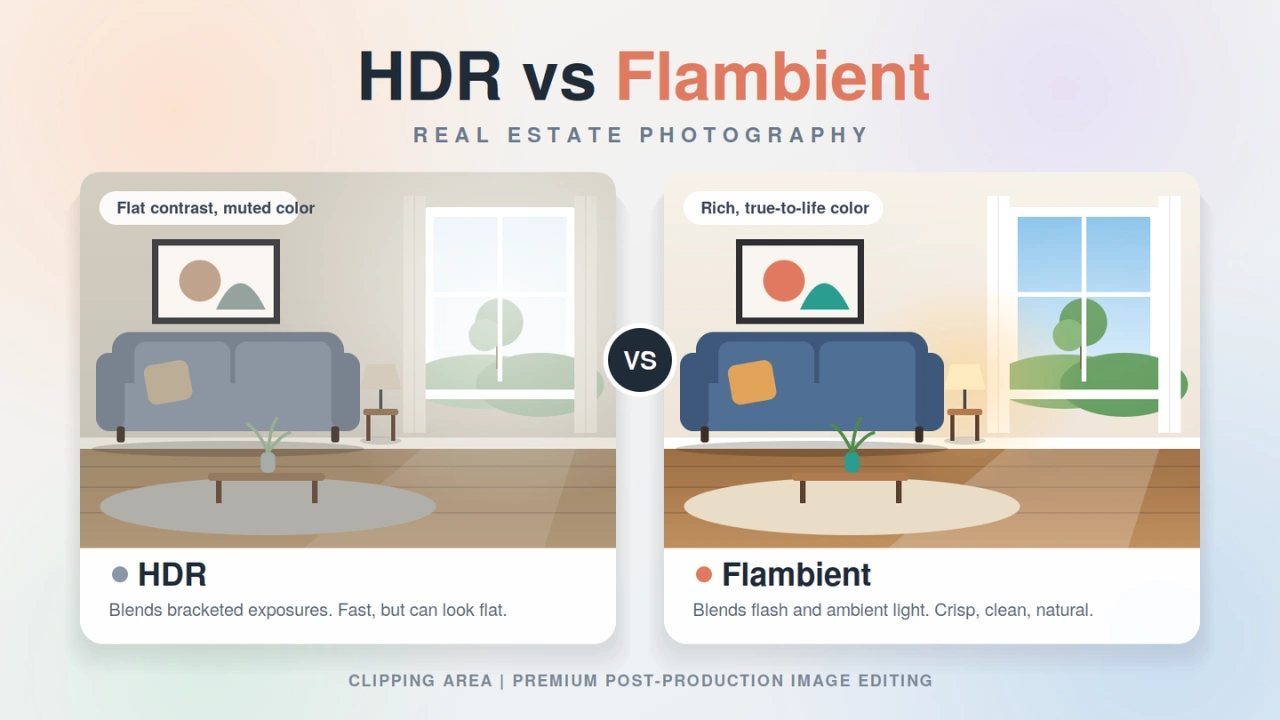
The short version: HDR is faster and easier to scale. Flambient takes more effort but usually gives cleaner color and more natural depth. Which one is better depends on the property, your schedule, and how much editing time you have.
This article explains how each method works, where each one tends to fail, and how to choose for a given shoot.
The Short Answer
- Many listings, tight turnaround, standard homes: HDR is usually the practical choice.
- Higher-end properties, mixed lighting, or a client who wants a polished look: Flambient tends to give better results.
- A busy schedule and a mix of property types: Use both, depending on the shoot.
| Factor | HDR | Flambient |
|---|---|---|
| Frames per room | Usually 3 to 5 exposures | Ambient frame(s) plus one or more flash frames |
| Extra gear | Tripod only | Tripod, off-camera flash, triggers, often a bounce surface |
| Time on site | Faster | Slower |
| Editing method | Automatic merge, then adjust | Manual layer blending in Photoshop |
| Editing time | Shorter | Longer |
| Color accuracy | Depends on the light in the room | Usually cleaner whites |
| Depth and dimension | Can look flat if overdone | Usually more natural shading |
| Risk of an “edited” look | Halos, gray tones, crunchy textures | Flash reflections, uneven blending |
| Skill required | Moderate | Higher |
What Is HDR Real Estate Photography?
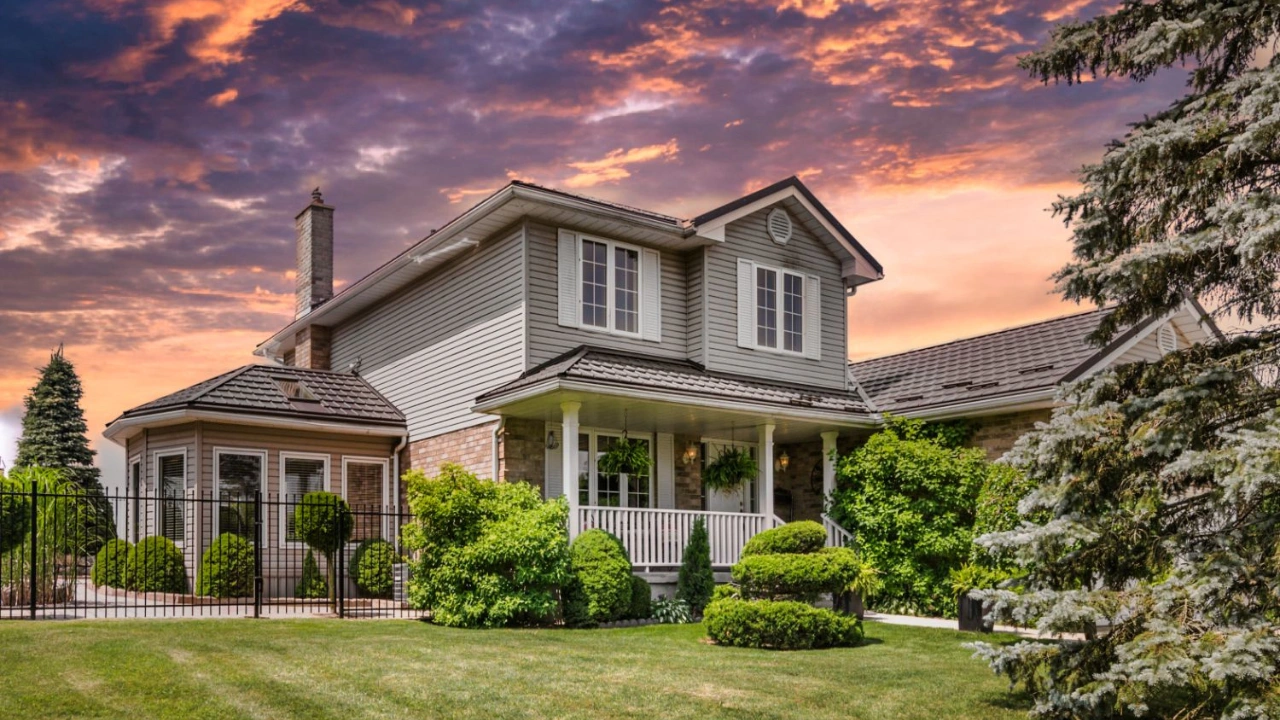
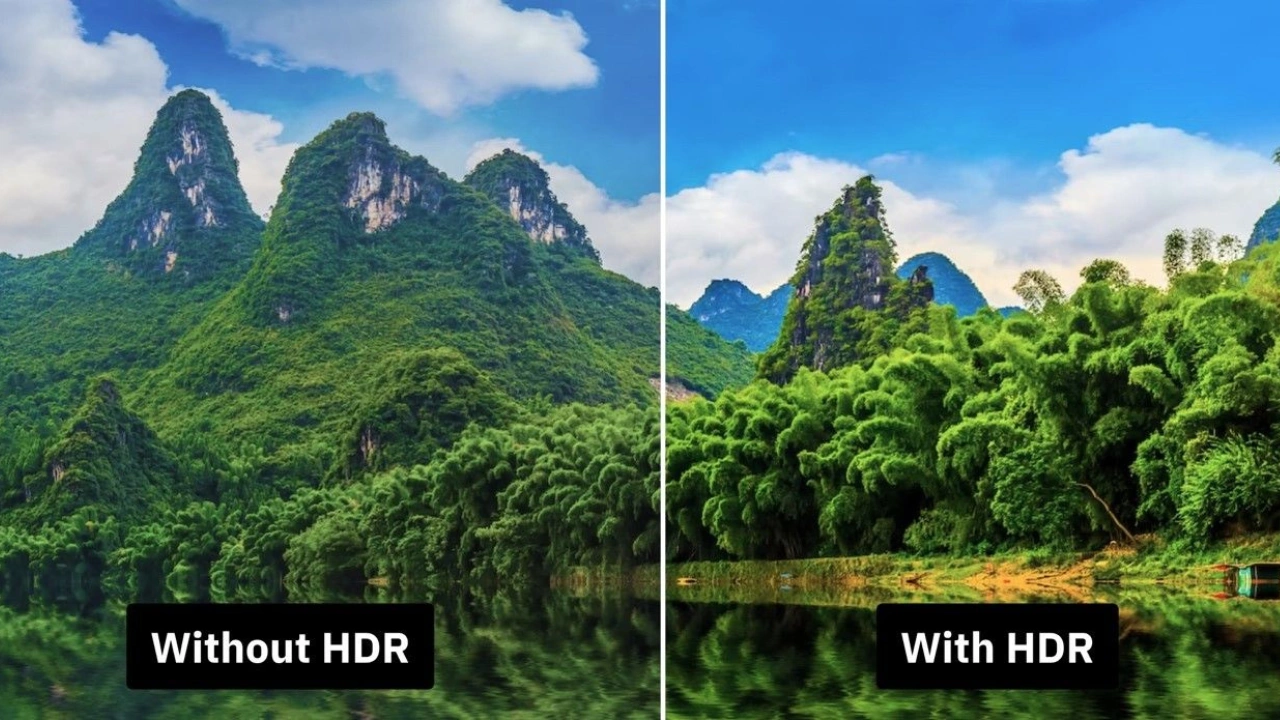
HDR stands for high dynamic range. In real estate, it means shooting the same composition at several exposure levels, then combining them into one image.
How it works: The camera sits on a tripod. You shoot one frame exposed for the room, one darker frame that holds the window detail, and usually one or more frames in between or beyond. Most photographers use three to five brackets, spaced one to two stops apart, and many set the camera to bracket automatically. Software then merges the frames. Lightroom has a built-in HDR Merge, and dedicated HDR programs exist too.
Why it works: Each frame captures a different part of the brightness range. The bright frame records the shadows. The dark frame records the windows. The merge combines the best of each into a file that holds detail everywhere.
Where HDR does well:
- It is fast on site. Set the bracket, press the shutter, move on.
- It needs little extra equipment.
- Editing can be batch-processed with presets and synced settings.
- It handles most standard rooms well, especially in good light.
Where HDR runs into trouble:
- Color depends on the room’s lights. If the bulbs are warm and the window light is cool, the merge keeps both, and you have to sort out the color afterward.
- Flat or gray results. Pushing the tone mapping too hard compresses contrast and drains the life from the image.
- Halos and edge artifacts. Bright glowing outlines around windows and door frames are a typical sign of aggressive processing.
- Ghosting. Anything that moves between frames, like a ceiling fan, tree branches outside, or a person walking through, can leave ghosts or blur in the merge.
- Limited control. Automatic merging decides how to blend the frames. You can adjust the output, but you can’t easily choose which frame contributes to which part of the room.
HDR is not a bad method. Poorly processed HDR is what gave it a bad reputation.
What Is Flambient Photography?
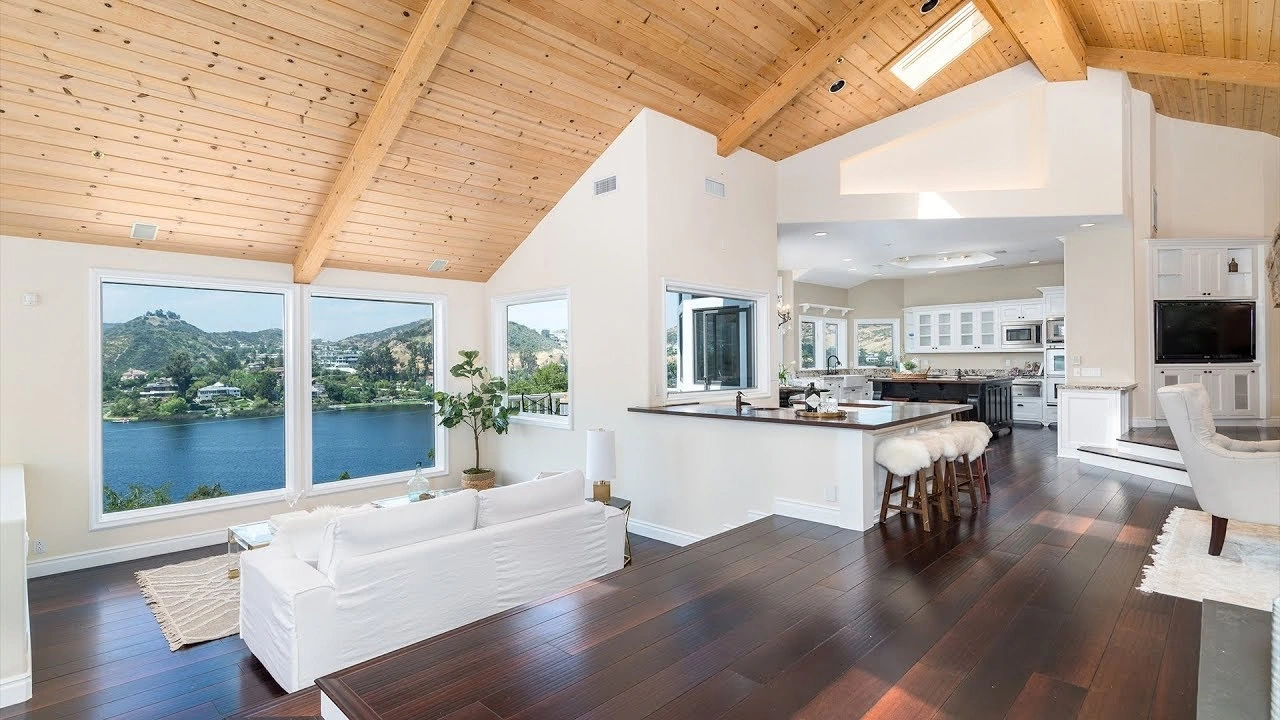
Flambient is short for flash plus ambient. Instead of relying only on bracketed exposures, the photographer combines natural room light with controlled flash.
How it works: You shoot an ambient frame first, exposed to keep the window view and the natural mood of the room. Then you shoot one or more flash frames of the same composition, usually with an off-camera flash bounced off a ceiling, wall, or umbrella so the light is soft. Some photographers fire the flash from several positions to light different parts of the room. Back at the computer, the frames go into Photoshop as layers and get blended with masks.
Why it works: The two kinds of frames bring different strengths. Flash light is close to daylight in color, so it shows clean whites and true colors even in a room full of warm bulbs. The ambient frame supplies natural shading, the window view, and the atmosphere of the space. Blend them and you get accurate color without losing the mood.
Where flambient does well:
- Cleaner color. Whites look white. Walls and cabinets show their real colors rather than a mix of bulb tints.
- Better depth. Flash adds dimension and separation between surfaces, which can make a room feel more three-dimensional.
- More control. Because you blend by hand, you decide what comes from each frame, including how bright the windows appear.
- Crisper detail. Flash-lit frames often hold texture and edges well.
Where flambient gets difficult:
- More time on site. Every composition means extra frames and often repositioning the flash.
- More gear. You need an off-camera flash, a way to trigger it, and often a stand or bounce surface.
- Steeper editing curve. Layer blending in Photoshop takes practice, and it takes longer per image.
- Reflections. Flash can bounce off mirrors, glass, glossy floors, and TV screens. You have to angle the light carefully or fix the reflections afterward.
- Bounce limits. Bouncing flash works best off a white or neutral ceiling. A dark ceiling or a very high one reduces the light. A colored ceiling can tint it.
HDR vs Flambéing, Side by Side
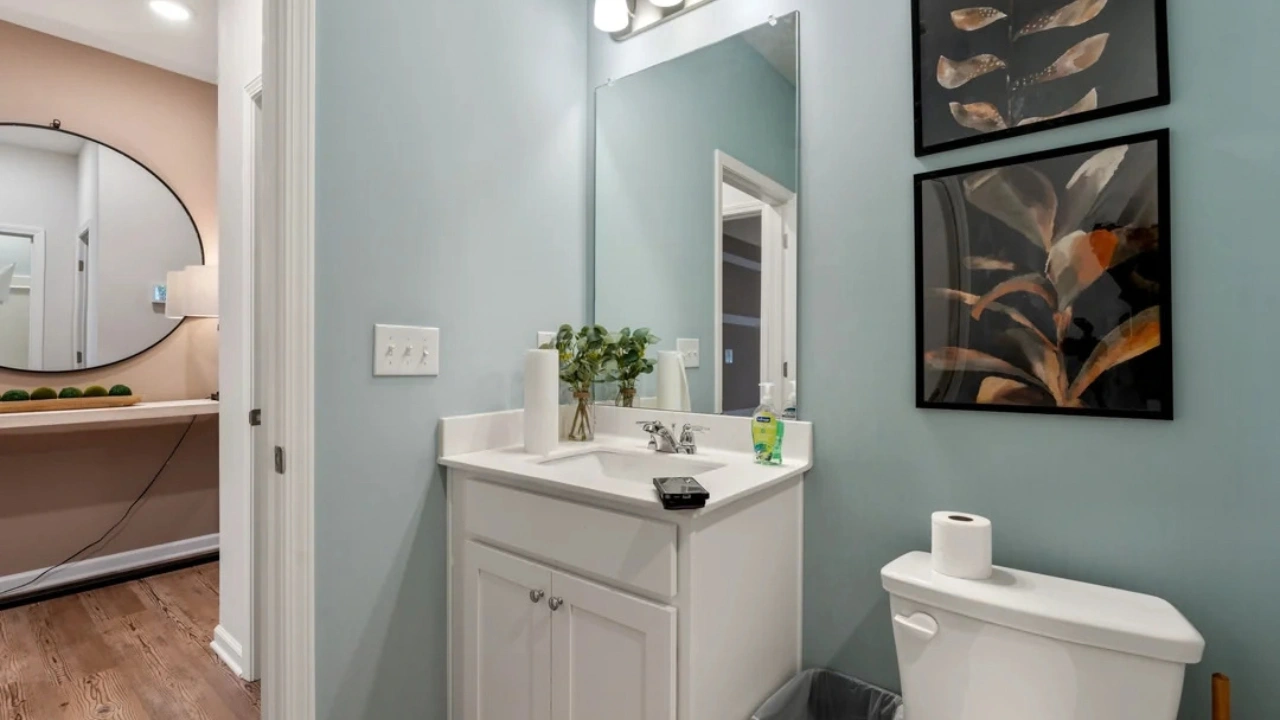
Color Accuracy
This is where flambient usually pulls ahead. HDR captures the light that is actually in the room, so if that light is mixed, the color problem comes along with it. You can correct it in editing, but a yellow or orange cast that varies across the room takes real effort to remove.
Flambient sidesteps much of this. The flash frame provides a clean color reference, and you blend from it. For a home full of warm bulbs or colored walls, that saves a lot of correction work.
Window Views
Both methods can produce a good window view, but they do it differently. HDR relies on the darker bracketed frames to hold the outside scene, and the merge decides how much of it to show. Flambient uses a darker ambient frame for the window, and you mask it in exactly where you want it.
If window views matter, as they do in homes with water, city, or garden views, flambient gives you more direct control. HDR can look good too, but a heavy tone-mapped window sometimes looks pasted on or unnaturally bright.
Depth and Dimension
An HDR image compresses the brightness range, which can flatten the contrast between light and shadow. Done gently, this looks natural. Done aggressively, it looks flat.
Flambient tends to keep more natural shading because you are blending real light rather than compressing it. Rooms often feel more open and dimensional as a result.
Speed on Site
HDR wins here. A bracketed sequence takes moments per composition. Flambient adds flash frames, flash positioning, and the extra care needed to avoid reflections.
For a photographer who shoots several properties in a day, that difference adds up.
Editing Time
HDR also wins on editing speed. Merging can be automated, and presets and synced settings carry across a whole shoot. Lightroom’s batch tools are built for this.
Flambient blending is usually done image by image in Photoshop. Actions can speed up parts of it, but it rarely matches the pace of an HDR batch.
Skill and Gear
HDR asks for a tripod, a camera that brackets, and decent processing judgment. Flambient asks for all of that plus flash technique and Photoshop layer skills.
Neither is out of reach. But flambient’s learning curve is longer, and early attempts often show flash reflections or clumsy blends.
Consistency
HDR results depend on how the software handles each merge, so they can vary from room to room. A good preset and disciplined settings help keep it steady.
Flambient results depend on the editor’s blending choices. That can be more consistent if one person handles every image with a repeatable method, and less consistent if the process is improvised.
Problem Rooms
Some spaces are hard for either method:
- Dark rooms with small windows: Flambient adds real light where the room has little. HDR can lift shadows but may produce noise.
- Rooms with heavy mixed lighting: Flambient usually gives cleaner color.
- Very bright rooms with big windows: HDR often works fine, since the light is already plentiful.
- Rooms where things move: Flambient can also suffer if elements shift between frames, so check for fans, curtains, and pets.
- Shiny surfaces: HDR avoids flash reflections. Flambient needs careful angles.
When HDR Is the Better Choice
HDR makes sense when speed and volume matter more than a refined finish.
- You shoot many listings a week and need fast turnaround.
- The properties are standard homes or apartments with decent natural light.
- You want a simple kit and a straightforward workflow.
- Your clients care about clean, bright, consistent photos rather than a high-end editorial look.
- You edit mostly in Lightroom and want to batch process.
A well-processed HDR photo still looks natural. The key is restraint. Keep the merge gentle, watch the windows, and fix color casts deliberately.
When Flambient Is the Better Choice
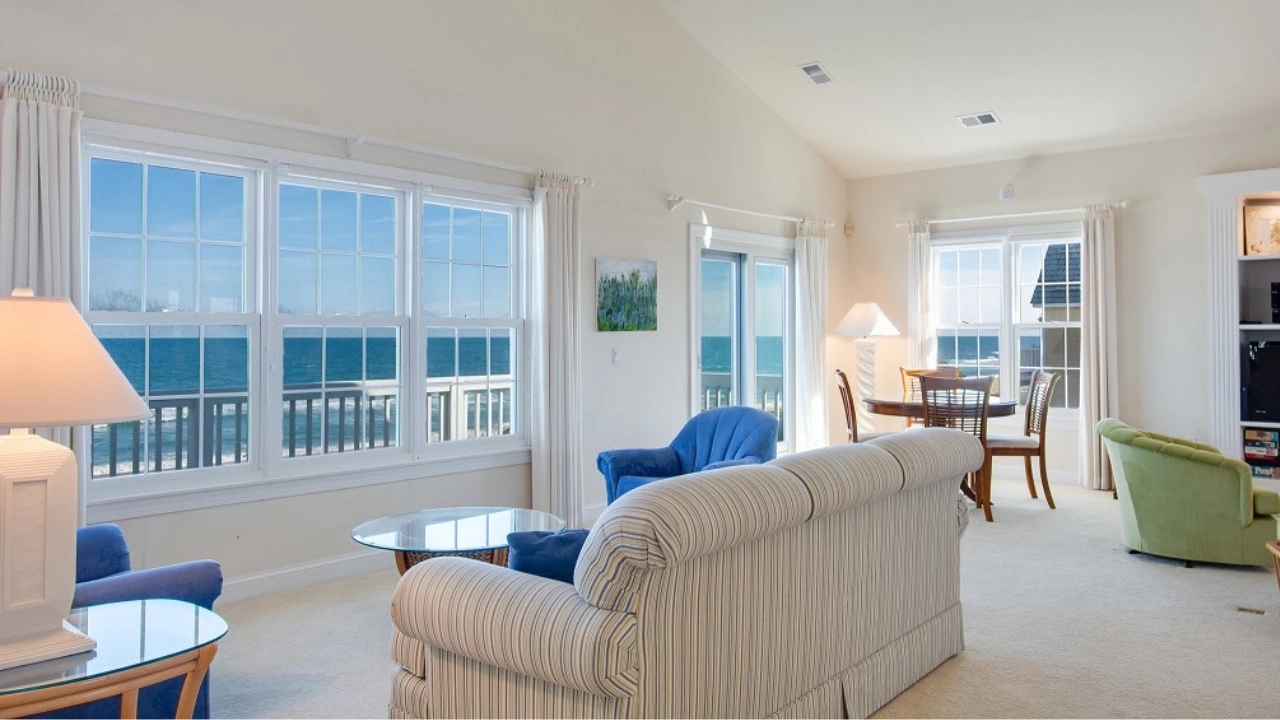
Flambient makes sense when image quality and color control are worth the extra time.
- The property is high-end, and the listing photos need to carry a premium feel.
- Interior lighting is mixed or strongly colored, and you want clean whites.
- Window views are a selling point.
- You want more dimension and depth in the images.
- You have the editing skills or a team that can handle Photoshop blending.
Flambient also helps when a client compares your work against other photographers’ images. The cleaner color and more natural depth often show up when photos sit side by side in search results.
The Hybrid Approach
Many photographers don’t choose one method permanently. They match the method to the property.
A common pattern looks like this:
- Use HDR for standard listings, secondary rooms, and fast-turnaround jobs.
- Use flambient for hero images, like the living room, kitchen, and primary bedroom, or for entire shoots of higher-value homes.
- Some photographers also combine methods by blending a flash frame with bracketed ambient exposures for tough scenes.
This keeps time and cost under control while saving the extra effort for the images that matter most.
Common Mistakes With Both Methods
- Heavy tone mapping. Over-processed HDR is the fastest way to make a listing look fake.
- Skipping the tripod. Both methods need frames that align perfectly. Even slight movement causes blur or ghosting.
- Ignoring white balance. Set it deliberately. Don’t leave everything to auto and hope the merge sorts it out.
- Flash pointed directly at the room. Direct flash creates hard shadows and reflections. Bounce it instead.
- Unchecked reflections. Look at mirrors, windows, TVs, and glossy floors in every flash frame.
- Inconsistent editing. If one room is warm and the next is cool, the whole listing looks careless.
- Misleading edits. Color correction and exposure blending are standard. Hiding damage or altering the property can mislead buyers and may violate MLS or local rules. Check the requirements for your market.
Does the Choice Matter to Buyers and Agents?
Buyers don’t know whether a photo was shot with HDR or flambient. They see whether the room looks bright, natural, and accurate. If the photo feels off, with muddy colors, glowing windows, or a gray flat look, they notice the result, not the method.
Agents care about slightly different things: turnaround time, consistency across a listing, and whether the photos make the property stand out. A method that hits those goals reliably is the right one, even if it isn’t the most technically impressive.
Frequently Asked Questions
Is flambient better than HDR for real estate photography?
Not always. Flambient usually gives cleaner color and more natural depth, but it takes more time and skill. HDR is faster and works well for standard listings. Many photographers use both.
Is HDR bad for real estate photos?
No. Overprocessed HDR is the problem. Clean, restrained HDR looks natural, and it remains a practical choice for high-volume work.
Does flambient take longer than HDR?
Generally, yes. It usually means more frames on site, flash positioning, and manual blending in Photoshop. HDR is quicker to shoot and easier to batch edit.
Do I need Photoshop for flambient?
In most workflows, yes. Flambient relies on layers and masks to blend the flash and ambient frames, and Photoshop is the standard tool for that.
Can I do HDR with just Lightroom?
Yes. Lightroom’s HDR Merge combines bracketed exposures, and its masking and correction tools handle most follow-up adjustments.
What equipment do I need for flambient?
A camera, a sturdy tripod, an off-camera flash, and a way to trigger it. A bounce surface or light modifier helps, and a stand can make positioning easier.
Which method is better for windows?
Flambient gives you more direct control over the window view because you mask it in by hand. HDR can look good too, but heavy tone mapping often makes windows look unnatural.
Can bad HDR or flambient photos be fixed in editing?
Often, yes. Color casts, halos, and uneven exposure can be corrected. Severe blur, heavy ghosting, or badly missed exposures are harder to save, and a reshoot may be the better option.
When should I outsource real estate photo editing?
When editing takes more time than shooting, when you want consistent results across many listings, or when you want to offer flambient-style quality without spending evenings in Photoshop. A post production agency like Clipping Area can handle exposure blending, flambient compositing, window pulls, and color correction, so your time goes to shooting.
Final Takeaway
HDR and flambient solve the same problem in different ways. HDR trades some control for speed. Flambient trades speed for cleaner color and more natural depth.
If you shoot a lot of standard listings on tight schedules, HDR done carefully is a solid choice. If you shoot higher-end properties or deal with difficult lighting, flambient is worth the extra effort. And if your work spans both, a hybrid approach lets you use each where it fits.
Whichever method you choose, consistency matters more than technique. Buyers respond to photos that look bright, accurate, and believable.
Need help with the editing side? Clipping Area is a Image editing agency and complete image editing solution provider. Our real estate photo editing covers HDR merging, flambient blending, window pulls, color correction, perspective correction, and object cleanup, so every listing photo is ready to publish.