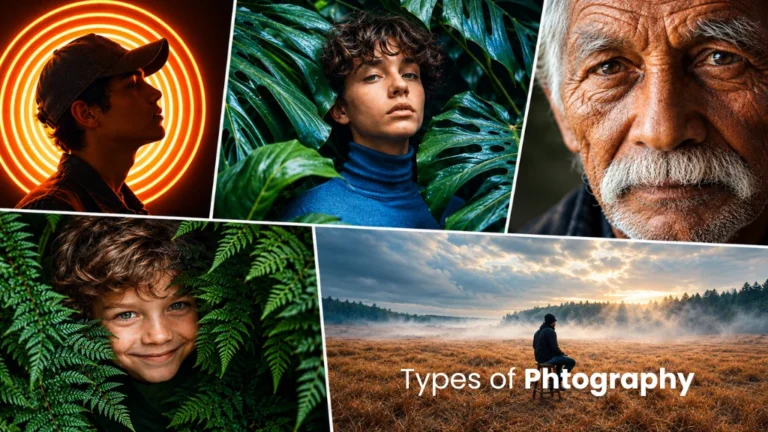
There are more types of photography today than ever before. Some photographers shoot sneakers on white backgrounds. Some chase storms. Some spend all day photographing food, babies, or old buildings. If you want to know which kinds of photography exist, how they differ, and which one fits you, this guide is for you.
We will walk through 70 types of photography you should know in 2026. Each one comes with a short, plain explanation: what it is, who uses it, and what makes it special. We grouped them into seven families so the list is easy to scan.
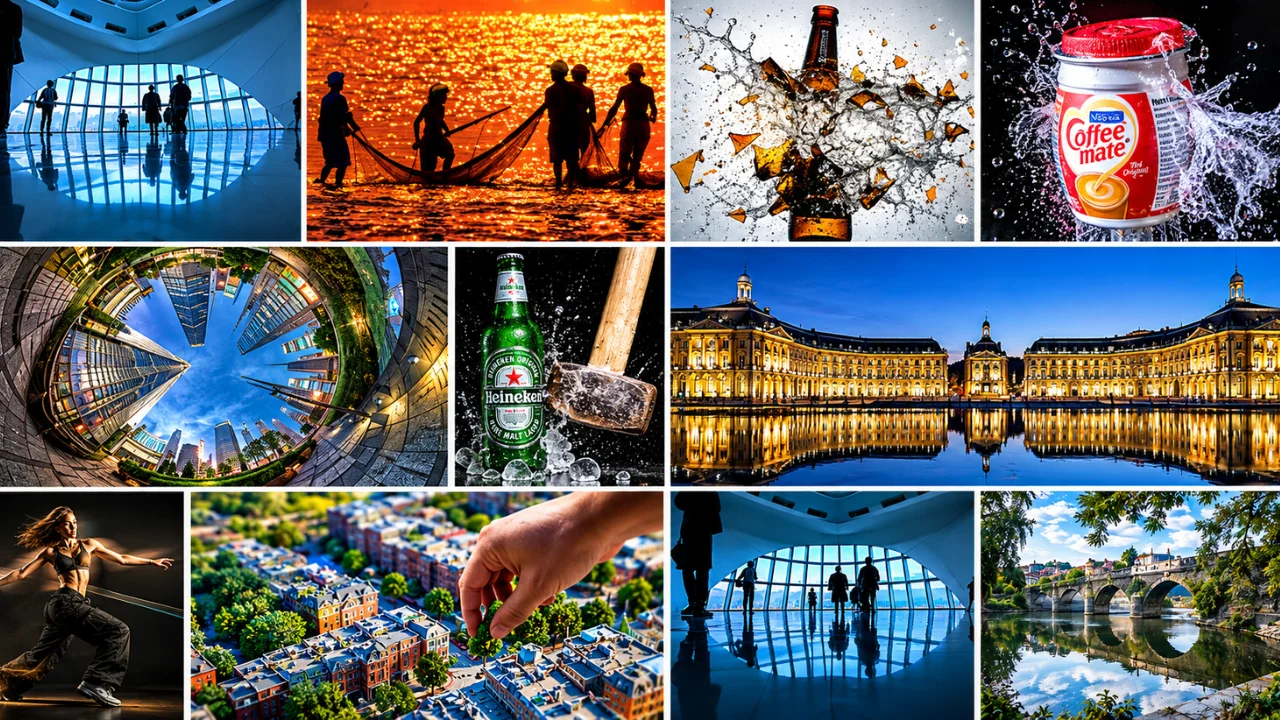
Why should you trust this list? At Clipping Area, we have edited photos for ecommerce brands, fashion labels, real estate agencies, and photographers since 2014. Every day, images from dozens of photography genres land on our editors’ screens. We see what works, what clients ask for, and what each style needs after the shutter clicks. That hands-on view shapes every section below.
Whether you are a beginner picking a path, a brand planning a shoot, or a pro looking to add a new service, you will find something useful here. Let’s get into it.
What Are the Main Types of Photography?
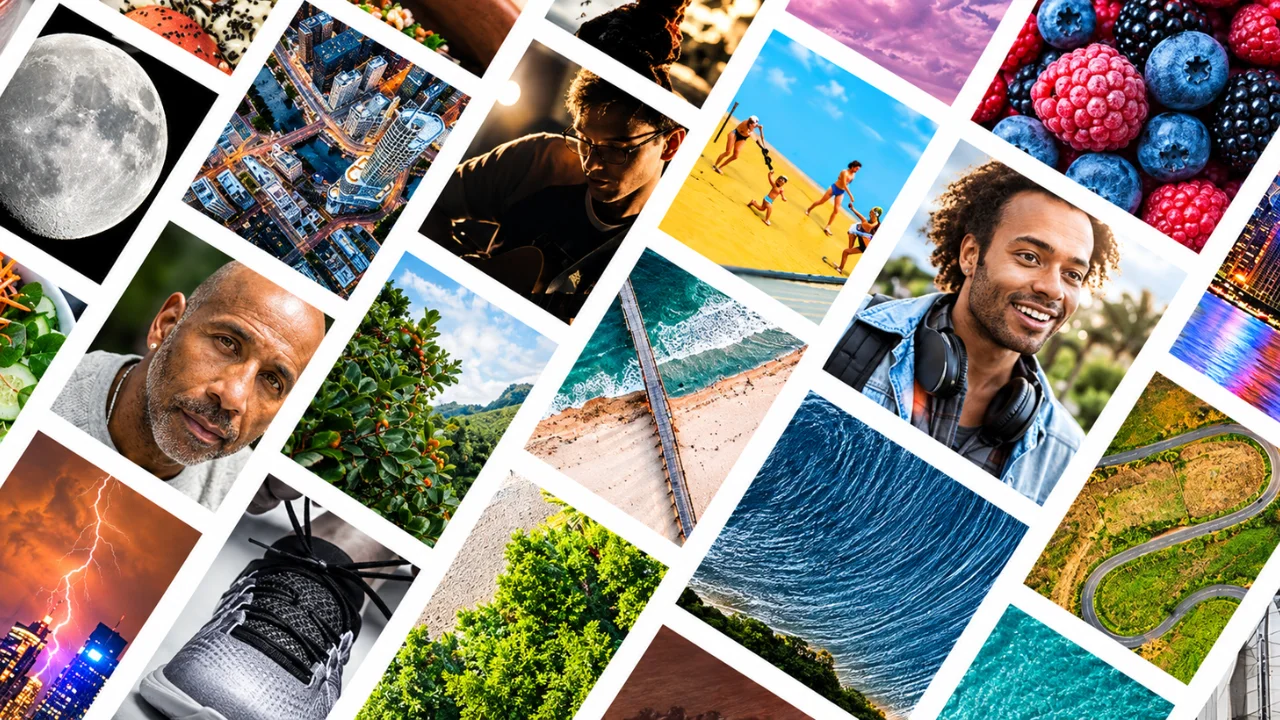
Quick answer: The main types of photography are commercial (product, food, fashion, real estate), portrait (headshots, family, newborn), event (wedding, concert, sports), nature (landscape, wildlife, astro), fine art (abstract, conceptual, black and white), technical (aerial, macro, scientific), and documentary (photojournalism, street, travel). Most photographers focus on one or two of these and build skills around them.
Here is how the 70 types in this guide are grouped:
| Family | What it covers | Types in this guide |
|---|---|---|
| Commercial and product | Photos that sell something | 1 to 12 |
| Portrait and people | Photos about a person or group | 13 to 24 |
| Event and lifestyle | Real moments as they happen | 25 to 33 |
| Nature and outdoor | Land, sky, water, and animals | 34 to 44 |
| Fine art and creative | Photos made to express an idea | 45 to 55 |
| Technical and scientific | Special gear or special methods | 56 to 63 |
| Documentary and storytelling | Telling true stories | 64 to 70 |
A simple way to tell photography styles apart is to ask one question: what is the photo for? A product shot exists to sell. A news photo exists to inform. A fine art print exists to make you feel something. Once you know the purpose, the gear, lighting, and editing choices start to make sense.
Commercial and Product Photography (Types 1 to 12)
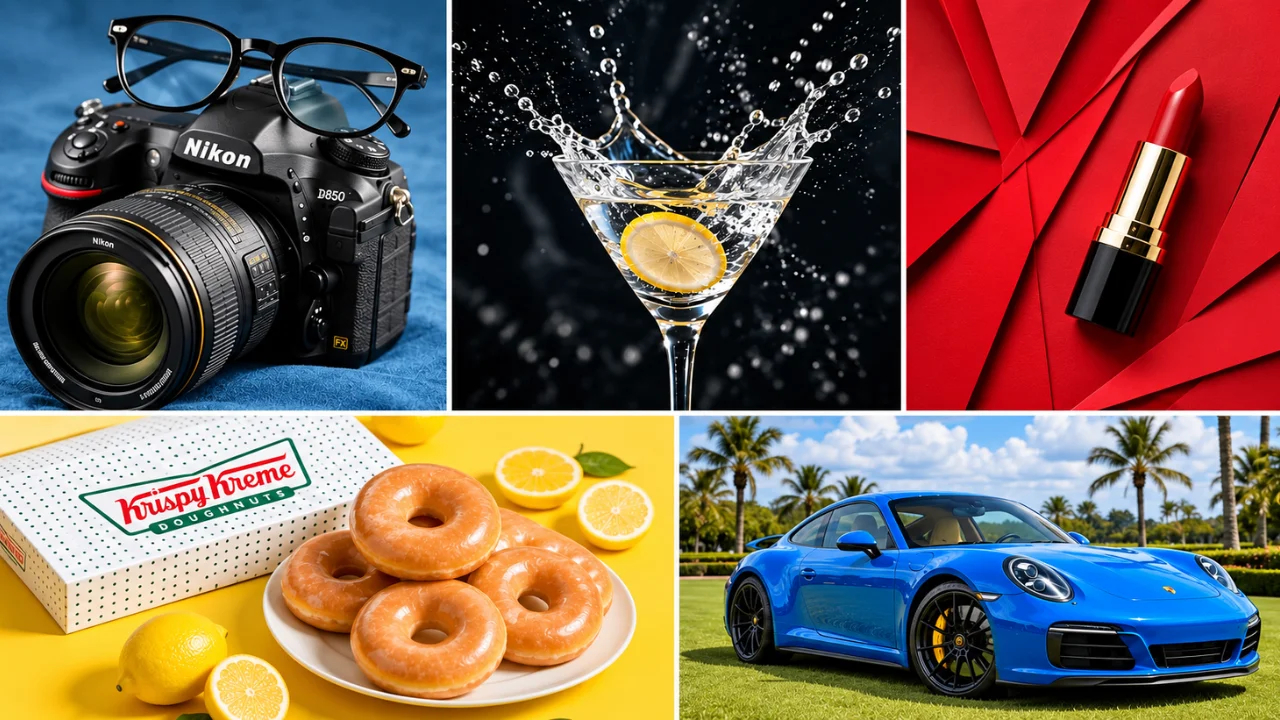
Commercial photography is any photo made to promote or sell. It is also where post-production matters most, because every image ends up next to a price tag.
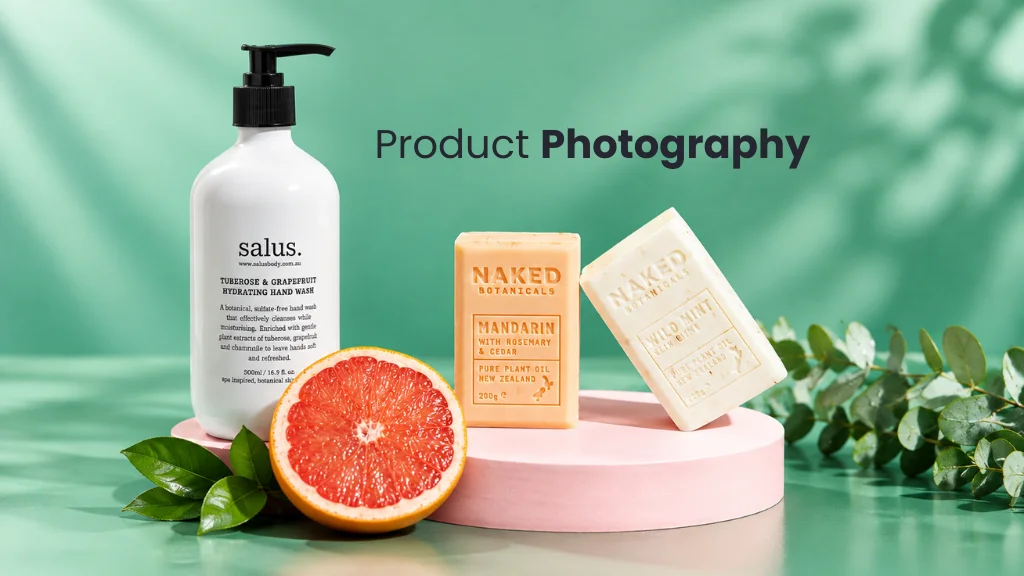
1. Product Photography
Product photography shows an item clearly so people want to buy it. Think shoes, bags, watches, and gadgets. Shots are usually clean, sharp, and well lit. Most product photos need background removal, dust cleanup, and color matching before they go live.
2. Ecommerce Photography
Ecommerce photography is product photography made for online stores like Amazon, Shopify, and Etsy. Marketplaces have strict rules. Amazon, for example, wants a pure white main image. That is why ecommerce photo editing (clipping path, shadows, consistent sizing) is a huge part of this genre.
3. Ghost Mannequin Photography
Ghost mannequin photography makes clothing look like it is worn by an invisible body. The garment is shot on a mannequin, then the mannequin is removed in editing and the inner neck is added back. The result shows fit and shape without a model’s cost.
4. Flat Lay Photography
In flat lay photography, items are arranged on a surface and shot from straight above. It is popular for fashion accessories, beauty kits, and social media posts. Good flat lays depend on neat spacing and even light.
5. Fashion Photography
Fashion photography shows clothing and style on models, often with a mood or story. It ranges from catalog shots to high fashion editorials in magazines. Skin retouching and color grading are key parts of the final look.
6. Jewelry Photography
Jewelry photography is one of the hardest product niches. Shiny metal and stones reflect everything around them. Photographers use light tents and focus stacking, and editors remove reflections, clean dust, and boost sparkle.
7. Food Photography
Food photography makes dishes look fresh and tasty. Restaurants, delivery apps, cookbooks, and brands rely on it. Natural light, styling, and small props do much of the work.
8. Beverage Photography
Beverage photography focuses on drinks like coffee, beer, juice, and cocktails. Photographers fight glare on glass and use tricks like fake ice and glycerin drops for condensation. Editing often adds splash effects and clean labels.
9. Real Estate Photography
Real estate photography shows homes and buildings so they sell or rent faster. Wide angle lenses and HDR bracketing are standard. Editors fix verticals, balance window light, replace dull skies, and sometimes add virtual staging.
10. Architectural Photography
Architectural photography celebrates the design of a building, not just its sale. Architects and builders use it for portfolios. Straight lines, perfect symmetry, and dramatic light define the style.
11. Automotive Photography
Automotive photography shows cars and bikes for dealers, magazines, and brands. Shots include studio stills, rolling shots on the road, and interior details. Reflections and paint color need careful editing.
12. Advertising Photography
Advertising photography creates images for campaigns: billboards, social ads, and print. It mixes product, people, and concept into one strong message. These shoots often involve heavy compositing, where several photos become one final ad.
Portrait and People Photography (Types 13 to 24)
Portrait photography is about people: who they are, how they feel, and how they want to be seen. Clients in this family care a lot about natural, honest retouching.
13. Portrait Photography
Portrait photography captures a person’s face, expression, and personality. It can be formal or relaxed, studio or outdoor. A great portrait feels like you have met the person.
14. Headshot Photography
A headshot is a tight, clean portrait from the shoulders up. Actors, job seekers, and company teams use them for profiles and websites. Light skin retouching and a consistent background keep a team’s headshots looking uniform.
15. Corporate Photography
Corporate photography covers business portraits, office life, team photos, and company events. Brands use it on websites, reports, and LinkedIn. The goal is a polished but friendly image.
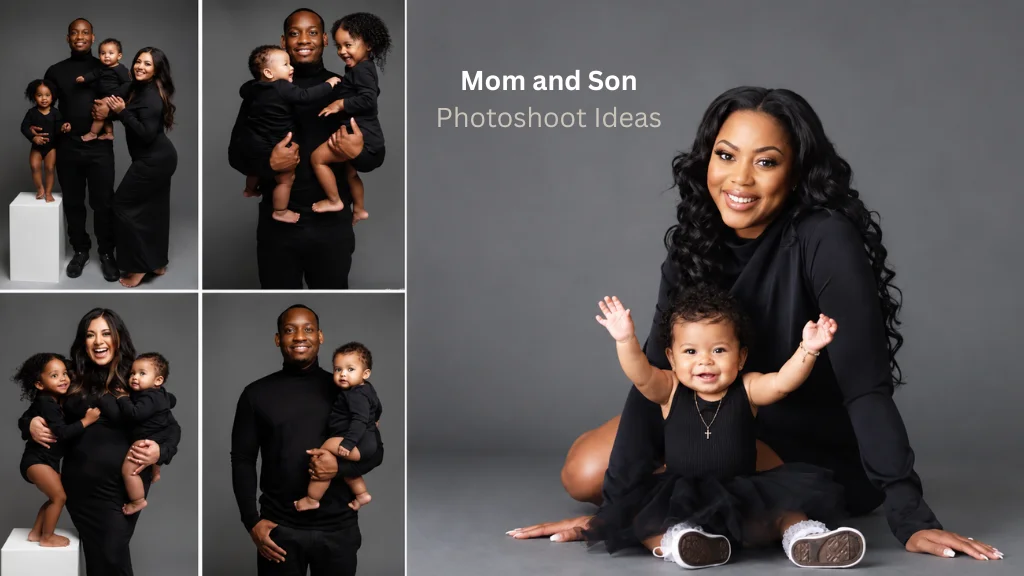
16. Family Photography
Family photography captures parents, kids, and sometimes pets together. Sessions often happen in parks or at home. The best shots feel warm and unposed.
17. Newborn Photography
Newborn photography features babies in their first few weeks of life. It needs patience, a warm room, and strict safety. Editors smooth skin redness and blend composite poses that keep the baby safe.
18. Maternity Photography
Maternity photography celebrates pregnancy. Shoots often use flowing gowns, soft light, and natural settings. The mood is calm and joyful.
19. Children Photography
Children photography captures kids as they play and grow. Fast shutter speeds and playful direction help a lot. Birthdays, school photos, and milestones are common sessions.
20. Senior Portrait Photography
Senior portraits mark the final year of high school, mostly in the United States. Students choose locations and outfits that show their personality. It is a big seasonal business for local photographers.
21. Boudoir Photography
Boudoir photography is an intimate, tasteful portrait style meant to build confidence. Sessions are private and client led. Trust and careful, respectful retouching are central.
22. Glamour and Beauty Photography
Beauty photography focuses on makeup, skin, and hair, often in close-up. Cosmetic brands use it for ads and packaging. It demands high-end retouching, like frequency separation and dodge and burn.
23. Model Portfolio Photography
Model portfolio photography builds a model’s book of images for agencies. It includes simple digitals (polaroids) plus styled looks. Variety in light, outfit, and mood shows range.
24. Pet Photography
Pet photography captures dogs, cats, horses, and other companions. Treats, squeaky toys, and quick reactions are part of the kit. Owners love images that show their pet’s character.
Event and Lifestyle Photography (Types 25 to 33)
Event photography is about real moments that happen once. There is no second take, so planning and speed matter. These shoots also create huge photo sets, which is why many event photographers outsource bulk editing.
25. Wedding Photography
Wedding photography covers the whole day: getting ready, the ceremony, portraits, and the party. A single wedding can produce thousands of images. Couples expect a consistent color style across the full gallery.
26. Engagement Photography
Engagement photography is a relaxed couple session before the wedding. It helps couples get used to the camera. The photos often appear on invitations and wedding websites.
27. Event Photography
Event photography covers conferences, launches, parties, and galas. The photographer captures speakers, guests, and key moments. Fast delivery is often part of the deal, sometimes within hours.
28. Concert Photography
Concert photography captures musicians on stage. Low light, moving subjects, and colorful stage lights make it tough. High ISO cameras and fast lenses are a must.
29. Sports Photography
Sports photography freezes action in games and races. Long telephoto lenses and fast burst rates are standard. Timing is everything: the ball, the jump, the celebration.
30. Lifestyle Photography
Lifestyle photography shows people living real life with a product or brand in the frame. It feels natural, not posed. Brands use it to help buyers picture themselves using the product.
31. Social Media and Content Creator Photography
This type of photography is made for Instagram, TikTok, and Pinterest feeds. Vertical framing, bold color, and quick turnaround are typical. Many creators shoot on phones and rely on fast, consistent editing.
32. Fitness Photography
Fitness photography shows athletes, trainers, and gym brands in action. Strong side light shapes muscles and adds energy. Sportswear brands use it for campaigns.
33. Party and Nightlife Photography
Nightlife photography captures clubs, bars, and late parties. Flash, motion blur, and color gels create a lively feel. Venues use these photos to promote upcoming nights.
Nature and Outdoor Photography (Types 34 to 44)
Nature photography takes you outside and tests your patience. Weather, light, and animals do not follow your schedule. Many of these genres also have strict ethics rules about how much editing is allowed, especially in contests.
34. Landscape Photography
Landscape photography captures wide views of mountains, valleys, coasts, and fields. Golden hour light, a tripod, and filters are the classic tools. Many landscape shooters blend several exposures for detail in both sky and ground.
35. Seascape Photography
Seascape photography focuses on the ocean, beaches, and coastlines. Slow shutter speeds turn waves into soft mist. Tide charts are as important as the camera.
36. Wildlife Photography
Wildlife photography shows animals in their natural homes. It needs long lenses, quiet waiting, and respect for the animals. The best images show behavior, not just a pretty animal.
37. Bird Photography
Bird photography is a popular branch of wildlife work. Birds are small, fast, and shy, so photographers use very long lenses and fast autofocus. Birds in flight are the ultimate challenge.
38. Underwater Photography
Underwater photography captures coral reefs, fish, and divers. Waterproof housings and strobes are needed, since water quickly swallows color. Editing usually restores reds and removes floating particles (backscatter).
39. Astrophotography
Astrophotography captures stars, planets, and the Milky Way. Dark skies, wide lenses, and long exposures are key. Many shooters stack dozens of frames to reduce noise.
40. Night Photography
Night photography covers city lights, light trails, and moonlit scenes. A tripod and long exposure do most of the work. It turns ordinary streets into glowing scenes.
41. Weather and Storm Photography
Storm photography chases lightning, tornadoes, and dramatic clouds. Safety comes first, and many storm chasers work in teams. The reward is rare, powerful images.
42. Botanical and Flower Photography
Flower photography shows plants, petals, and gardens in close detail. Soft light and shallow depth of field give a dreamy look. Gardening brands and nurseries use these images widely.
43. Adventure Photography
Adventure photography follows climbers, surfers, hikers, and skiers in wild places. The photographer often has to be an athlete too. Outdoor brands rely on this genre for catalogs and campaigns.
44. Drone Landscape Photography
Drone landscape photography shows nature from above: rivers, forests, and patterns you cannot see from the ground. Local flight rules apply in most countries. It has become one of the fastest growing outdoor styles.
Fine Art and Creative Photography (Types 45 to 55)
Creative photography is less about recording the world and more about expressing an idea. Editing here is not just cleanup. It is part of the art.
45. Fine Art Photography
Fine art photography is made to be shown in galleries, sold as prints, or collected. The photographer’s vision comes first. Any subject can be fine art if it carries a clear idea.
46. Black and White Photography
Black and white photography removes color so shape, light, and texture stand out. It works for portraits, streets, and landscapes alike. Good conversions control each tone, not just drop the color.
47. Abstract Photography
Abstract photography focuses on lines, shapes, colors, and patterns instead of a clear subject. A close crop of peeling paint can become art. It trains your eye to see design everywhere.
48. Conceptual Photography
Conceptual photography starts with an idea, then builds a scene to show it. Shoots are carefully planned, sometimes like a film set. Many conceptual images are built from several photos combined.
49. Surreal Photography
Surreal photography creates dreamlike or impossible scenes: floating people, giant objects, upside down worlds. It relies heavily on photo manipulation. Skilled compositing makes the impossible look real.
50. Minimalist Photography
Minimalist photography uses very few elements and lots of empty space. One small subject against a plain sky is a classic example. Less clutter means a stronger message.
51. Still Life Photography
Still life photography arranges objects like fruit, vases, and books into an artful scene. It has roots in classic painting. Light control is everything, since the subject never moves.
52. Double Exposure Photography
Double exposure blends two images into one frame, such as a face filled with a forest. Some cameras do it in camera. Most modern versions are made in editing software.
53. Infrared Photography
Infrared photography records light our eyes cannot see. Green leaves turn white or pink, and skies turn dark. It needs a converted camera or special filter.
54. Long Exposure Photography
Long exposure photography leaves the shutter open for seconds or minutes. Clouds streak, water turns silky, and crowds disappear. Neutral density filters make it possible in daylight.
55. AI-Assisted and Composite Photography
This newer style mixes real photos with AI generated or AI extended elements. Brands use it to create backgrounds, extend canvases, and test concepts fast. Honest labeling and skilled human editing keep the results believable and trustworthy.
Technical and Scientific Photography (Types 56 to 63)
These types of photography depend on special gear or special methods. Accuracy often matters more than beauty.
56. Macro Photography
Macro photography shows tiny subjects at life size or larger: insects, water drops, fabric threads. A macro lens and steady support are needed. Focus stacking helps get the whole subject sharp.
57. Aerial Photography
Aerial photography is taken from planes, helicopters, or drones. Surveyors, builders, tourism boards, and real estate agents all use it. It shows scale and layout in a way ground photos cannot.
58. 360 Degree and Virtual Tour Photography
360 photography captures a full sphere around the camera. Real estate, hotels, and museums use it to create virtual tours. Editors stitch frames and hide the tripod.
59. Scientific Photography
Scientific photography records data for research: cells under a microscope, lab tests, or field samples. Color and scale must be accurate. Editing is limited so the image stays truthful.
60. Forensic Photography
Forensic photography documents crime scenes and evidence for investigations and court. Every shot follows strict procedures, with scale markers and full records. No creative editing is allowed.
61. Medical Photography
Medical photography records conditions, surgeries, and before and after results for doctors and clinics. Consistent lighting and angles make comparisons fair. Patient privacy rules apply at every step.
62. High-Speed Photography
High-speed photography freezes motion too fast for the eye: a bursting balloon, a splash, a bullet. Short flash bursts and triggers do the job. Brands use splash shots for drinks and cosmetics ads.
63. Product Packshot and 3D Rendering
A packshot is a clean, exact image of a product and its packaging. Today, many packshots are 3D renders built from product files instead of camera shots. Brands often mix both to keep catalogs consistent and quick to update.
Documentary and Storytelling Photography (Types 64 to 70)
Documentary photography tells true stories. Its power comes from honesty, so editing stays light: basic exposure and color only, never adding or removing things.
64. Photojournalism
Photojournalism captures news as it happens for newspapers, websites, and agencies. Speed and accuracy are the rules. News outlets have strict codes against changing the content of a photo.
65. Documentary Photography
Documentary photography explores a topic over weeks, months, or years. Examples include climate change, migration, or a single community. It is slower and deeper than daily news.
66. Street Photography
Street photography captures everyday life in public places, often unposed. A small camera and a curious eye are all you need. Light, timing, and human moments make the shot.
67. Travel Photography
Travel photography shows places, people, food, and culture from around the world. Tourism boards, hotels, and travel blogs use it to inspire trips. It often blends landscape, portrait, and street styles.
68. War and Conflict Photography
Conflict photography documents war and its effect on people. It is dangerous and emotionally heavy work. These images shape how the world understands major events.
69. Cultural and Heritage Photography
This type records festivals, rituals, crafts, and old buildings before they change or disappear. Museums and cultural groups use it for archives. Respect and permission are central.
70. Urban and Cityscape Photography
Cityscape photography shows skylines, streets, and city patterns. Blue hour, when city lights glow against a deep sky, is a favorite time. Cities and property developers use these images for promotion.
Photography Trends to Watch in 2026
The types of photography do not change much year to year, but how people shoot and use photos does. Here is what we see shaping 2026, based on the work coming through our studio.
1. Ecommerce keeps growing, and so do image standards. Online stores now show more images per product: front, back, side, detail, lifestyle, and short video. Buyers zoom in, so small flaws like lint, dust, and uneven color get noticed fast. Brands that keep a consistent look across hundreds of SKUs win trust.
2. AI is a tool, not a replacement. AI helps with quick masks, background ideas, and canvas extension. But it still makes mistakes with hair, fine edges, hands, and product details like logos and stitching. In our experience, the best results come from AI speed plus human checking.
3. Authentic photos are back. Many buyers are tired of over-polished, fake-looking images. Lifestyle photography, natural skin retouching, and real customer-style shots are gaining ground. The goal in 2026 is “clean but real.”
4. Video and stills are merging. Most photographers now shoot short clips during photo sessions. Brands want both for product pages and social media. Editing teams that handle photos and video together save clients time.
5. Mobile-first framing. Vertical crops now matter as much as horizontal ones. Smart photographers shoot with extra space around the subject so one image can fit many formats.
6. Trust and transparency. With AI images everywhere, people want to know what is real. News, documentary, and contest photography are adding stricter rules and content labels. Even brands are being more open about edited and generated images.
How to Choose the Right Type of Photography for You
With 70 options, picking one can feel hard. These simple questions help:
- What do you love shooting most? People, products, places, or animals? Start there.
- Do you want to earn money from it? Wedding, product, ecommerce, real estate, and corporate photography have steady demand. Fine art and wildlife are harder to turn into a living.
- What gear do you already have? A phone and natural light are enough for flat lays, street, and food. Wildlife and sports need costly long lenses.
- Do you like planning or reacting? Studio, product, and conceptual work reward planners. Street, event, and sports reward quick reactions.
- How much time do you want to spend editing? Some genres need heavy post-production. Others need very little.
Most working photographers pick one main niche and one or two side styles. For example, a product photographer might also shoot flat lays and lifestyle images for the same clients.
Why Post-Production Matters Across Every Type of Photography
Almost every photo on this list goes through editing before anyone sees it. The amount changes by genre, as the table shows.
| Type of photography | Common editing work | Editing level |
|---|---|---|
| Ecommerce and product | Background removal, clipping path, shadows, color matching | High |
| Ghost mannequin | Mannequin removal, neck joint, symmetry fixes | High |
| Jewelry | Reflection cleanup, dust removal, stone enhancement | Very high |
| Fashion and beauty | Skin retouching, liquify, color grading | High |
| Real estate | HDR blending, sky replacement, vertical correction, virtual staging | Medium to high |
| Wedding and event | Batch color correction, light skin retouching, culling | Medium |
| Portrait and headshot | Natural skin cleanup, background cleanup | Medium |
| Landscape and nature | Exposure blending, color balance | Low to medium |
| Photojournalism and documentary | Basic exposure and color only | Very low |
For businesses, editing is often the difference between a photo that sells and one that gets skipped. Clean backgrounds, true-to-life colors, and a consistent style across every listing make a brand look professional. They can also cut product returns, because buyers get what they saw.
How Clipping Area Helps
Clipping Area is a post-production photo retouching agency that has supported brands and photographers since 2014. Our team handles the editing side, so you can focus on shooting and selling. Services include:
- Clipping path and background removal
- Ghost mannequin and neck joint editing
- Photo retouching for fashion, beauty, and portraits
- Color correction and color matching
- Ecommerce photo editing for Amazon, Shopify, and other marketplaces
- Jewelry photo retouching
- Real estate photo editing, including HDR and virtual staging
- Video editing, 3D rendering, and AI creative services
We work with ecommerce brands, fashion labels, photographers, real estate agencies, and marketing agencies around the world. Every image is checked by a human editor before delivery, even when AI tools speed up the work.
Frequently Asked Questions About Types of Photography
How many types of photography are there?
There is no fixed number. This guide covers 70 common types of photography, but new styles keep appearing as cameras, drones, and AI tools change. Most can be grouped into seven families: commercial, portrait, event, nature, fine art, technical, and documentary.
What are the 7 main types of photography?
The seven main families are commercial and product, portrait and people, event and lifestyle, nature and outdoor, fine art and creative, technical and scientific, and documentary and storytelling.
Which type of photography is best for beginners?
Portrait, street, food, and flat lay photography are great for beginners. They need simple gear, you can practice daily, and you learn light and composition fast. A phone is enough to start.
Which type of photography pays the most?
Commercial work usually pays the most steadily. Wedding, advertising, fashion, product, and real estate photography have regular paying clients. Income depends on location, skill, and how well you market yourself.
What is the most popular type of photography in 2026?
Portrait and ecommerce product photography are among the most in demand, driven by social media and online shopping. Wedding photography also stays strong year after year.
What is the difference between commercial and editorial photography?
Commercial photography is made to sell a product or service. Editorial photography supports a story in a magazine, newspaper, or blog. Commercial images can be heavily edited, while editorial images usually stay closer to reality.
Do all types of photography need editing?
Nearly all do, but the amount varies. Product, jewelry, and fashion photos need heavy retouching. News and documentary photos only get basic exposure and color fixes.
Can I outsource photo editing for my photography business?
Yes. Many photographers and brands send their editing to a professional retouching agency like Clipping Area. It saves time, keeps quality consistent, and lets you take on more shoots.
Final Thoughts
Photography is a huge world, and these 70 types of photography show just how wide it goes. From product shots on white backgrounds to stars over a dark desert, each style has its own tools, skills, and editing needs.
If you are just starting, pick one or two styles that excite you and practice every week. If you run a business, choose the photography styles that match your buyers, then make sure every image is polished before it goes live.
And when the editing starts to pile up, you do not have to do it alone. Clipping Area has helped brands and photographers turn raw shots into ready-to-sell images since 2014. Send us a few test images, see the quality for yourself, and spend your time where it counts: behind the camera.